That one perfect onsen night — and how you actually get there
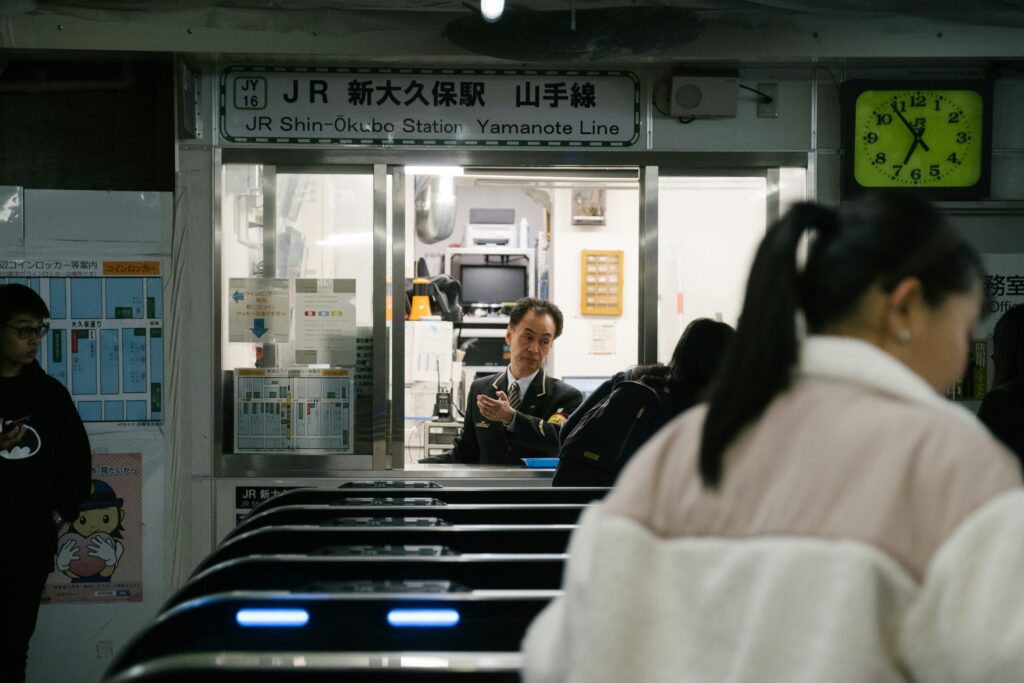
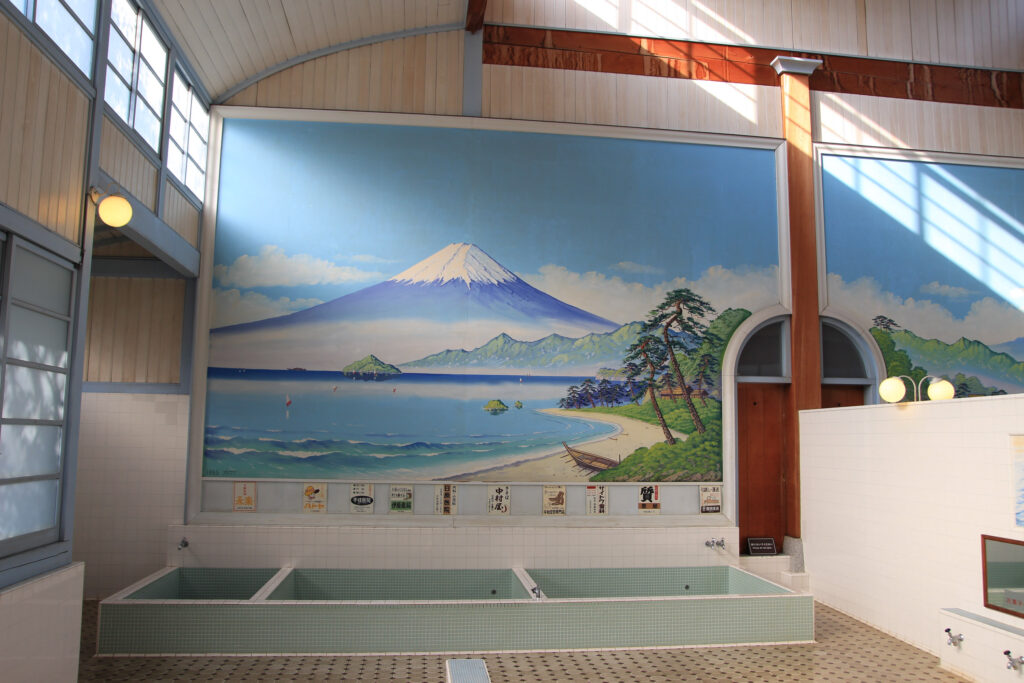
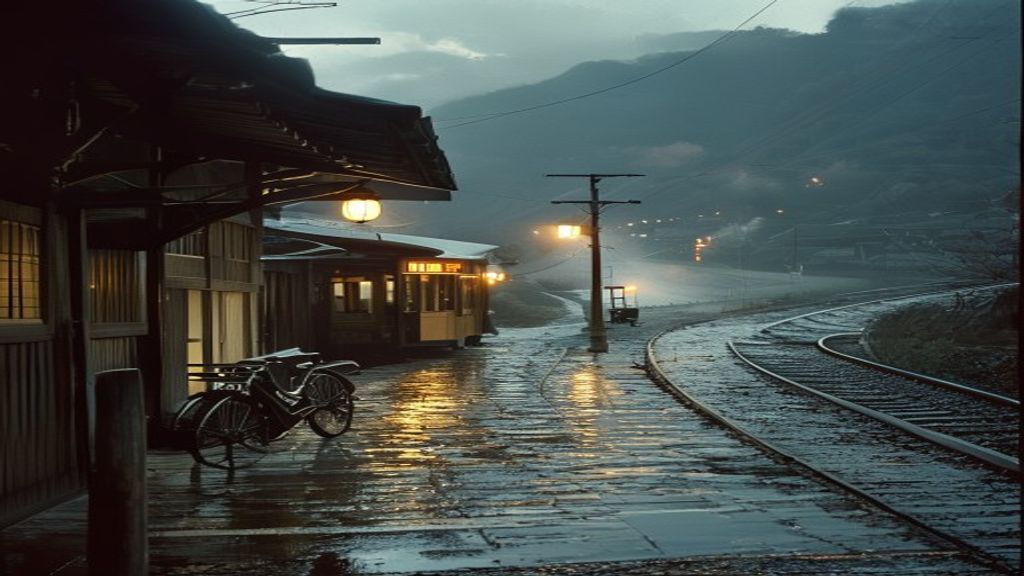
On my second trip to Japan I found myself on a tiny platform at 6 p.m., watching the last commuter train peel away and realizing the ryokan I had booked sat 7 km up a steep river valley with one bus at 9 a.m. and nothing after. I could have panicked. Instead, I checked my Klook eSIM for live timetables, called the ryokan, booked a community taxi they’d suggested, and paid the driver with my IC card. I still remember the steam rising off the hot spring under a full moon — but I also remember the planning that made it possible.
“How to get to small towns in Japan” comes down to planning long-distance legs efficiently and the last-mile options that actually move you from station to ryokan, trailhead or coastline. Below is a practical, storyteller’s guide to traveling rural Japan without a car — with checklists, packing gear, and trusted booking picks to make it easy.
Plan your route: combine JR lines, night buses and regional transport
Long-distance travel in Japan is best treated like a spine-and-ribs system. Use spine routes (Shinkansen and major JR lines) to cover big distances, then ribs (regional trains, buses, shuttles) to reach final destinations.
When to use a national JR Pass vs regional tickets
– Use a multi-day JR Pass if you’ll cross several regions (e.g., Tokyo → Kyoto → Kyushu) and ride multiple Shinkansen legs. It pays off for 7–21 day bursts of long-distance travel.
– Use regional JR passes if you’ll concentrate in one area (e.g., only Kansai or only Hokkaido). Regional passes are cheaper and can include private lines or bus partners.
– If you plan many overnight buses or low-cost flights plus short local hops, calculate individual tickets — sometimes cheaper than a full national pass.
Reserve smartly
– Use your JR Pass to reserve seats at JR ticket offices (Midori no Madoguchi) or online where supported. For busy seasons (Golden Week, Obon, New Year), book as early as possible.
– For night buses, book a tiered seat (recliner vs private pod) based on comfort needed. Buses save overnight and a hotel night, but they add fatigue.
Get your passes and stay connected
– Book multi-day JR Passes and regional passes via Klook for convenient digital vouchers and pickup options: Multi-day JR Passes (Klook)
– A reliable data connection is your best friend — get a Klook eSIM for live timetables and maps: Klook eSIM
Planning checklist (start here)
– Decide spine: Shinkansen vs flight vs night bus.
– Compare national vs regional JR Pass prices: Multi-day JR Passes (Klook)
– Buy an eSIM so you can check timetables on the go: Klook eSIM
– Book your first night near a station in case you arrive late: Booking.com
Last-mile transport explained
The magic (and the challenge) of small-town Japan is in the last mile. Here are the main options and how to use them.
Local buses
– Read timetables: many towns publish PDFs on municipal websites and timetables show departure times from the main station. With mobile data you can usually see routes in Google Maps or local apps.
– Buying fares: on small buses you often pay when you get off (exact cash) or use an IC card. Large routes may have ticket machines at stops.
– Tip: learn the “get-on” and “get-off” rules — typically board at the front, take a numbered ticket if required, and either tap an IC card on exit or pay the shown fare.
Community taxis and reservation shuttles
– Community taxis (コミュニティタクシー) often require advance reservation — call the municipal office or the ryokan. They’re a lifesaver for late arrivals.
– Some rural areas run on-demand shuttles you can book via phone or app. Ask your accommodation for local phone numbers.
Bicycle rentals & walking
– Many small towns offer hourly or day bike rentals (QR unlock or small rental shops). Bikes are perfect for flat coastal towns or castle towns with short distances.
– Plan walking routes—download topo or trail maps if you’re hiking. Distances in rural Japan can be deceptively uphill.
Using IC cards
– Suica, Pasmo, Icoca and others are accepted widely on trains, buses, and even some taxis. Buy at airport machines or convenience stores and top up at stations.
– Note: some tiny bus companies do not accept IC cards — keep cash (coins) for those last-mile trips.
Luggage delivery (takkyubin)
– Send big luggage a day ahead via Yamato Kuroneko or Sagawa to your next hotel or ryokan. Typical cost ¥1,000–¥2,500. Saves you from lugging bags on local buses or backpacks up steep streets.
– Most hotels and major stations accept and handle delivery for you.
Book and travel smart
Reservations for rural stays
– Use Booking.com to find station hotels for buffer nights, and search “minshuku” or “ryokan” for local stays. Filter for free cancellation and check whether properties offer luggage pickup/pickup services: Booking.com
– Call the property for last-mile advice — many will provide directions, shuttle info, or call a community taxi.
Stay connected
– Buy a Klook eSIM before departure so you can check live timetables, station platforms, and make last-minute bookings: Klook eSIM
Reserve luggage delivery and night buses early
– If using takkyubin to meet you at a ryokan, tell your sending hotel or the delivery counter your arrival date. For night buses and limited express trains, book seats ahead.
Packing and gear essentials
Less is more when hopping between trains and buses. Pack light and agile.
Packing checklist
– Carry-on light suitcase: Light Carry-on
– Packing cubes for quick sorting: Packing Cubes Set
– Portable charger (high-capacity): Portable Charger 20000mAh
– Comfortable daypack (waterproof preferred): Compact Daypack
– Compact rainwear / packable jacket: Packable Rain Jacket
Buy essential travel gear before you go — see the packing checklist above.
Practical packing tips
– Bring small bills and coins for bus fares and local shops.
– A lightweight towel is handy for onsen towns (some ryokan provide towels, but not always).
– A small flashlight/headlamp and a printed map (in case of poor signal) are worth the space.
Example itineraries + hotel suggestions
1) Tohoku onsen loop (easy to reach by JR)
– Spine: Tokyo → Shin-Aomori (Shinkansen)
– Last-mile: local JR to small stations, community taxi to onsen.
– Station hotel for buffer night: search Booking.com for “Aomori station hotel”.
– Ryokan suggestion: call ahead for taxi pickup — many ryokan provide a phone number.
2) Kansai coastal and fishing villages
– Spine: Osaka/Kyoto → Amanohashidate via limited express.
– Last-mile: bicycle rental along the coast, local ferry.
– Station hotel: book near Amanohashidate station on Booking.com
– Minshuku/ryokan: small seafood minshuku often require cash payment and may arrange pick-up.
3) Shikoku mountain valley (hiking-focused)
– Spine: Takamatsu → Kotohira → local line to Iya Valley.
– Last-mile: shuttle buses and on-demand taxis; luggage delivery recommended.
– Station hotel in Takamatsu: secure your night on Booking.com
For each itinerary, pre-purchase your JR passes where appropriate: Multi-day JR Passes (Klook)
Quick last-mile FAQ
-
Q: Can I rely on Google Maps for rural bus times?
A: Often yes, if you have a data connection. For tiny lines check municipal websites or ask your ryokan. Klook eSIM helps here: Klook eSIM -
Q: Are IC cards accepted everywhere?
A: No — big cities yes, tiny buses and some minshuku may not. Carry cash. -
Q: How much does luggage delivery cost?
A: Usually ¥1,000–¥2,500 depending on distance and size. Same-day is sometimes possible; one-day delivery is common.
Final note: embrace the slow
Small-town Japan rewards patience. Trains and buses may be infrequent, but schedules are reliable and locals are helpful when you ask. With a multi-day JR Pass or the right regional pass, a Klook eSIM, light luggage and a pre-arranged ryokan or station hotel, you can turn what looks like a logistical headache into one of the best parts of your trip.
Ready to map your route? Start with a JR Pass and an eSIM:
– Multi-day JR Passes (Klook)
– Klook eSIM
And don’t forget the gear:
– Light Carry-on
– Packing Cubes Set
– Portable Charger 20000mAh
– Compact Daypack
– Packable Rain Jacket
Safe travels — and don’t leave before trying the local onsen.
For a slow-travel route where these last-mile skills matter, read Yamagata’s Mogami River Towns.
For an old-road journey beyond the main line, continue with The Abandoned Post Towns of the Nakasendo.
If you want another historic route with practical planning context, see Kyuri’s Guide to the Tokaido.