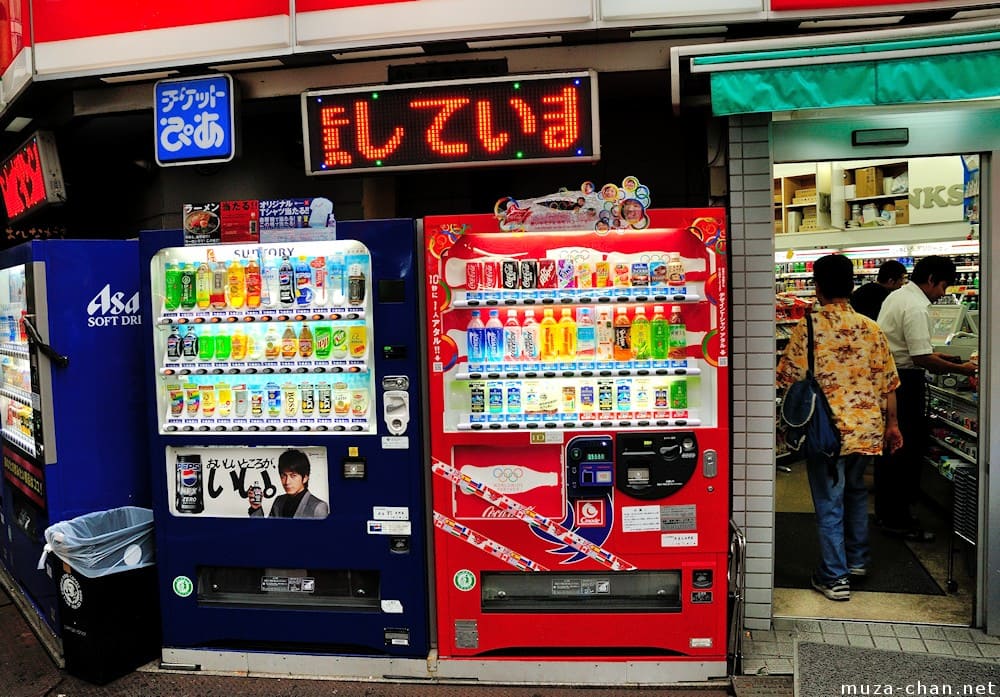
There’s a moment every visitor to Japan has: standing on a quiet street, maybe outside a temple or tucked into a residential alley with no convenience store in sight, and finding a glowing vending machine offering hot coffee, cold matcha, and something called “sports drink” in a dozen configurations. Japan has roughly one vending machine for every 23 people — one of the highest densities on earth — and unlike vending machines elsewhere, they aren’t an afterthought. They’re a genuine extension of the country’s food and drink culture.
Hot and Cold, Side by Side
The first thing that surprises newcomers is the red and blue labeling on many drink machines: red for hot (atatakai), blue for cold (tsumetai). A single machine can dispense a steaming can of corn potage next to an ice-cold barley tea, something made possible by internal heating and cooling compartments working simultaneously. This isn’t a gimmick — it reflects a broader cultural comfort with drinking hot beverages year-round, not just in winter, and with treating a can of coffee or soup as a legitimate meal companion rather than a novelty.
Canned Coffee as Its Own Category
Canned coffee (kanコーヒー) deserves special mention. Brands like BOSS, Georgia, and Wonda have turned it into a genre with its own vocabulary: black, milk, low-sugar, “morning shot,” espresso blends aimed at convenience-store connoisseurs. For many commuters, a warm can from a station-platform machine is as ritualistic as a barista pour is elsewhere. The seasonal rotation of blends and limited releases means regulars check machines the way others check a café’s specials board.
Beyond Drinks: A Rotating Menu
Vending machines in Japan aren’t limited to beverages. Depending on the neighborhood, you can find machines dispensing hot ramen, fresh eggs, whole fruit, roasted sweet potatoes, ice cream, and even hot fried food. Some machines are stocked by the same local producers who sell at farmers’ markets, turning a roadside machine into a tiny, unattended grocery stall. This variety is part of why the machines feel less like impulse-buy stations and more like a parallel food-service network — one that never closes and never has a line.
The Seasonal Instinct
Japanese food culture places enormous value on seasonality (shun), and vending machines follow the same rhythm. Autumn brings roasted chestnut and sweet potato drinks; winter ushers in more hot corn soup and adzuki bean beverages; summer floods machines with cold barley tea, ramune soda, and fruit-flavored waters. Limited-edition flavors tied to a season, region, or even a collaboration with a snack brand appear and vanish within weeks, giving machine-watching a bit of the same anticipatory pleasure as seasonal menus at restaurants.
Reliability as Craft
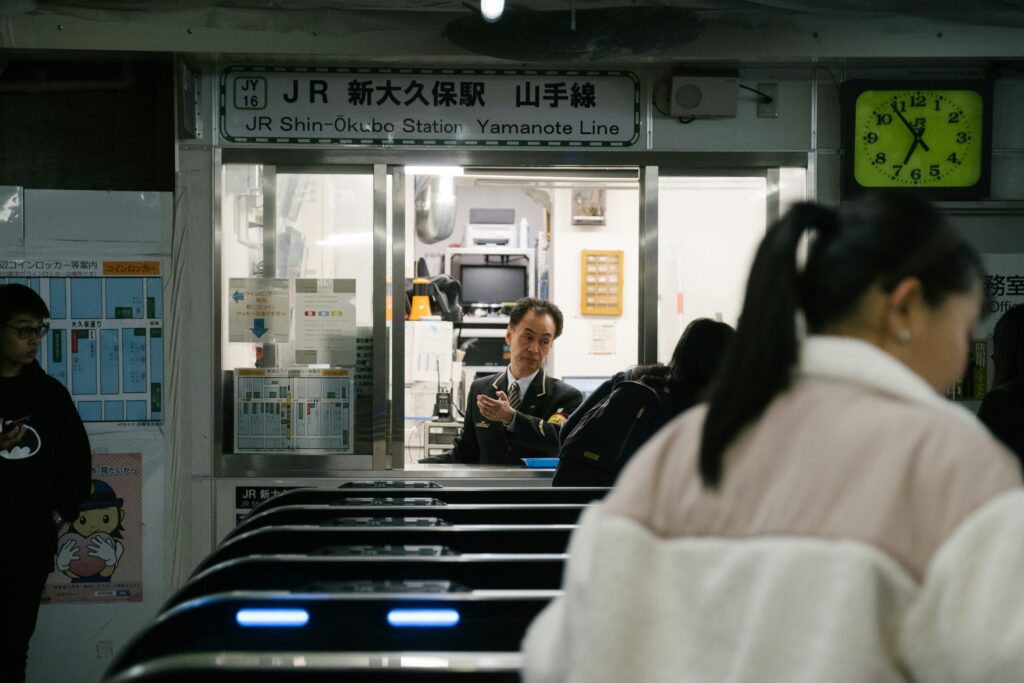
Part of what elevates the experience is sheer dependability: machines are almost always stocked, functioning, and spotless, restocked with a punctuality that mirrors the country’s transit system. That reliability turns a vending machine into something you can build small daily rituals around — the same can of coffee at the same platform before the same train — which is, in its own modest way, a kind of culinary culture.
Next time you’re in Japan, skip the convenience store for five minutes and read a vending machine like a menu. You’ll probably learn something about the season, the neighborhood, and what people actually drink when no one’s watching.