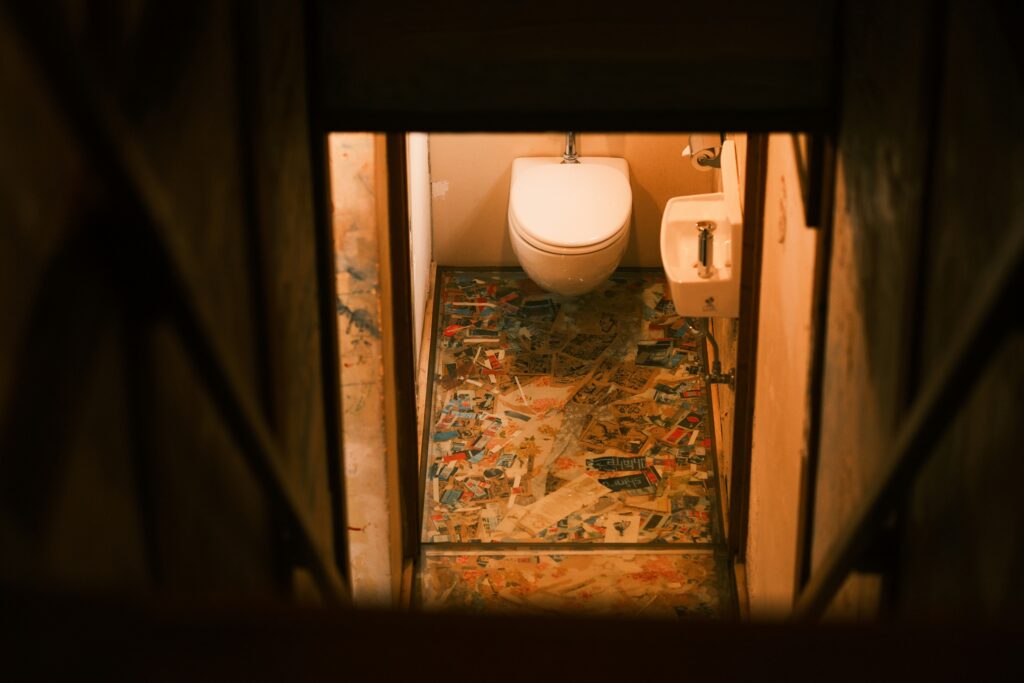
For a lot of first-time visitors, Japanese toilets are one of the biggest culture shocks — in a good way. Heated seats, built-in bidets, sound machines. But once you’re standing in front of one, the questions start: Can I flush the paper? What does this button do? Here’s a practical rundown.
Can You Flush the Paper?
Short answer: yes. Japanese toilet paper is designed to dissolve quickly in water, and flushing used paper is standard practice almost everywhere — homes, train stations, restaurants. If you’re coming from a country where used paper goes in a bin, this takes some getting used to.
A few exceptions to know:
- Older buildings or venues with narrow plumbing sometimes post a sign asking you to bin the paper instead
- Wet wipes and thick paper towels are not designed to dissolve — even if a sign says they’re flushable, using a lot at once can clog the pipes
- Feminine hygiene products generally should not be flushed; stalls almost always have a small bin for this
If there’s a sign, follow it. If there isn’t one, flushing is the default and totally fine.
Decoding the Washlet Buttons
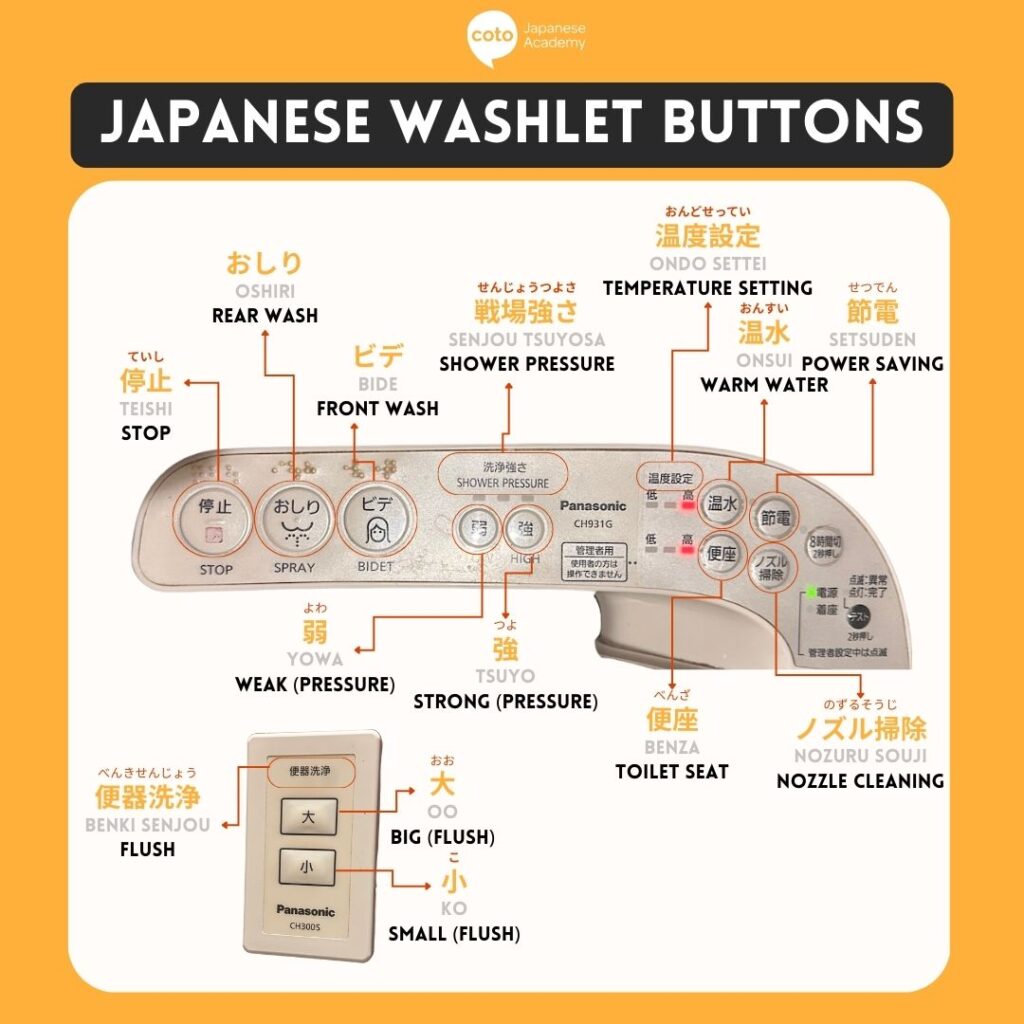
The heated bidet seat — commonly called a “washlet” — has a control panel that varies by manufacturer, but you’ll usually find:
- Rear wash (icon of a bottom, often blue)
- Bidet/front wash (usually marked with a pink or reversed triangle icon, intended for women)
- Water pressure adjustment
- Dryer (warm air)
- Seat heater on/off
Many newer machines now include English, Chinese, or Korean labels alongside Japanese. If you’re unsure, start with the lowest pressure setting before experimenting further.
What’s That Chirping Sound?
In many women’s restrooms you’ll notice a device called otohime (“sound princess”), which plays a flushing sound or ambient noise to mask bodily sounds. It’s rooted in a cultural preference for privacy and discretion, and is either a separate button/sensor or built directly into the washlet panel.
Carry Your Own Tissue, Just in Case
Older public restrooms or facilities in more remote tourist spots occasionally run out of paper. This is part of why pocket tissue packs (often handed out free as advertising on the street) are so common in Japan — locals are used to carrying a small pack just in case. Worth tucking one into your bag.
Western-Style vs. Squat Toilets
Most urban areas have shifted almost entirely to Western-style seated toilets, but squat-style toilets still show up in parks, older buildings, and some schools. If you encounter one:
- Face the narrower end of the bowl (that’s the front)
- Squat down over it
- Use the manual lever or button to flush
It looks intimidating the first time, but it’s quick to figure out.
A Few Etiquette Notes
- At busy locations like train stations or shopping centers, people generally queue in a single line rather than picking a specific stall to wait for
- During peak times, Western-style, squat-style, and multipurpose stalls may have separate queues — check the signage
- It’s common courtesy at many venues to give the seat a quick wipe after use, out of consideration for the next person
Japanese toilets aren’t just fixtures — they reflect a broader cultural emphasis on cleanliness and consideration for others. Give the buttons a try one at a time; you might be pleasantly surprised.