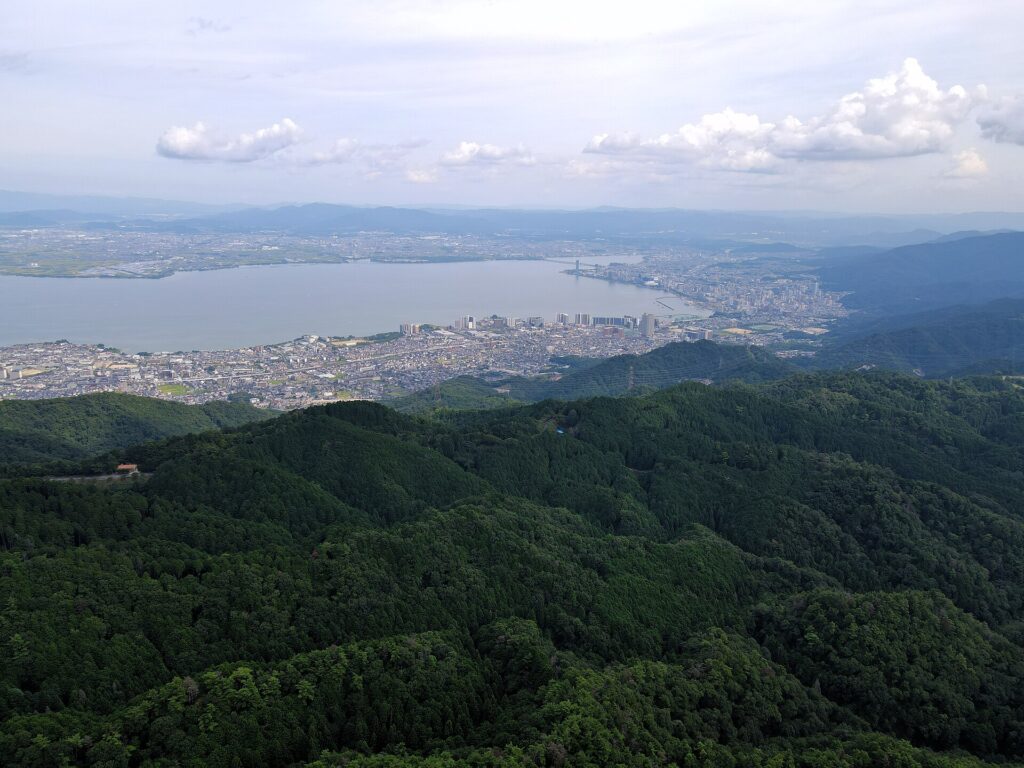
Lake Biwa is the image most visitors carry into Shiga: a vast body of water beside Kyoto, glimpsed from a train or framed by a hotel window. It is worth seeing, but Shiga becomes more interesting when the lake is treated not as a backdrop but as the reason towns, trade routes, farms, and daily routines developed where they did. A slower visit follows water inland and notices the places that still live with it.
Think of Lake Biwa as a working landscape
Japan’s largest freshwater lake has long been more than scenery. Its waters connect to the Yodo River system, and the lake historically supported transport, fishing, agriculture, and exchange between communities on its shores and the cities beyond them. That history is visible in the practical shape of Shiga: old landing areas, canals, roads running close to water, and towns that grew around movement rather than spectacle.
This is a useful corrective to the instinct to circle the lake quickly. Shiga is often approached as a day trip from Kyoto, with a castle or a lakeside view as the main objective. Instead, choose one side of the lake and give it time. The western shore, eastern plain, and northern end have different textures, distances, and local rhythms. Crossing the prefecture simply to collect sights can make the lake feel like an obstacle rather than the organizing presence it has been for centuries.
A good slow-travel question here is not “What is the one thing to see?” but “What did water make possible in this place?” In one town, the answer may be merchant wealth. In another, it may be a canal-side neighborhood, a fishing tradition, or a road that once linked the lake to a mountain temple.
Use castle towns as starting points, not finish lines
Hikone is best known for Hikone Castle, one of Japan’s surviving original castles. It deserves attention, particularly because the castle complex still explains how a feudal center was arranged: defensive elevation, administrative space, and a town spreading outward below. But the larger lesson is in the surrounding city. Walk beyond the castle grounds and notice how streets widen, narrow, and turn according to older patterns of commerce and authority.
Rather than treating the castle as a two-hour stop, make room for an ordinary meal nearby, a quiet walk toward the lakeshore, or time in the older parts of town. The aim is not to imagine yourself in the Edo period. These are contemporary neighborhoods carrying an older street plan, and people still use them for school runs, errands, deliveries, and work.
Nagahama, on the northern side of the lake, offers another useful contrast. Its historic commercial district gives a sense of how lake transport and regional trade shaped a town without reducing it to a museum set. Look for the working details: storefronts adapted for current businesses, side streets leading away from the main route, and the way the station area meets the older center. One well-paced afternoon is usually more revealing than rushing between multiple preserved streets elsewhere.
Follow the canals in Omihachiman
Omihachiman is often associated with the Omi merchants, the businesspeople from this region whose networks reached across Japan in the early modern period. Their success was tied to a culture of trade, thrift, and long-distance relationships, but it was also rooted in geography. The town’s connection to Lake Biwa helped goods and people move through the region.
The Hachiman-bori canal is the most visible place to read that relationship. Its banks, bridges, storehouses, and buildings are photogenic, but it is more rewarding to think of the canal as infrastructure before treating it as a picture. It once linked the town’s commercial life to lake transport. A walk here makes more sense when paired with time in the surrounding streets, where former merchant residences and everyday shops sit close together.
Respectful travel is especially simple in places like this: keep your voice low along residential lanes, do not step into private entrances for a better photo, and avoid blocking narrow bridges or doorways. A canal district can seem unusually still, but stillness is not an invitation to turn a neighborhood into a stage set.
- Choose one historic district and walk it without a tightly timed checklist.
- Pause at a public bench, riverside edge, or small café rather than lingering in front of private homes.
- Use shops and restaurants as businesses first, not as props for photographs.
- Carry your trash until you find an appropriate bin or can dispose of it where you bought it.
Make space for the shore that is not a beach
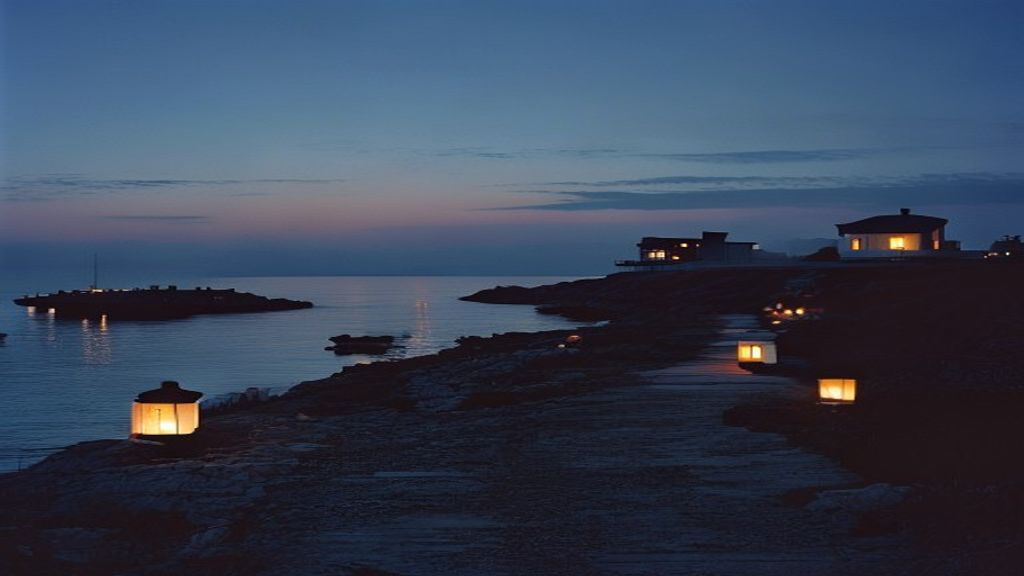
Lake Biwa’s edge changes constantly. Some stretches feel urban, some are lined with reeds, some sit beside roads and farmland, and some meet small harbors or parks. This variety is one reason Shiga rewards an overnight stay. Early morning and late afternoon reveal the lake as part of local routine: walkers, cyclists, anglers, school groups, and people simply moving through their day.
For visitors accustomed to treating waterfronts as recreation zones, it helps to adjust expectations. Not every appealing stretch of shore is designed for swimming, camping, drone use, or lingering after dark. Read signs carefully, stay on established paths, and avoid entering reed beds or agricultural land. These waterside spaces can be habitat, flood-control landscape, work area, and neighborhood edge all at once.
Cycling can be a practical way to cover a modest lakeside section, but it is best approached as transport rather than a race around the lake. Pick a manageable route between two towns, leave time for wind and weather, and be prepared to share paths with pedestrians. Check local rental conditions and any seasonal transport arrangements before committing to a one-way plan.
Eat with the region, not just beside it
Shiga’s food is another route into its geography. The prefecture is associated with Omi beef, as well as freshwater fish preparations connected to Lake Biwa. Funazushi, a fermented fish specialty, is perhaps the most challenging example for first-time visitors: intensely aromatic, deeply local, and best approached with curiosity rather than a demand that it taste familiar.
You do not need to seek out a formal specialty meal to eat thoughtfully. A small lunch counter, neighborhood teishoku restaurant, bakery, or market-adjacent shop can tell you more about a town’s daily pace than a menu built around a single famous item. If there is a seasonal ingredient you do not recognize, asking what it is with a simple gesture or translation app is usually enough. Do not assume every staff member is comfortable conducting a long conversation in English; patience and clear requests go a long way.
Where alcohol is involved, remember that local brewing and fermentation traditions are part of a food culture, not an excuse to become louder than the room. Shiga’s quieter towns reward the kind of evening that ends with a short walk back to your lodging, not a scramble for the last possible train.
Plan for fewer stops and a fuller picture
Shiga works well when you build an itinerary around one town, one waterside walk, and one meal with no need to optimize the spaces between them. A night in Hikone, Omihachiman, Nagahama, or another lakeside base changes the feeling of the prefecture: the lake is no longer something passed on the way to Kyoto or Nagoya, but a presence that shapes the hours around it.
Before you go, confirm current train connections, museum and temple entry arrangements, and weather-related notices through official local sources. Then leave a little unscheduled time. In Shiga, the most durable memory may be less a landmark than the quiet logic of a canal, a harbor, and a town that still faces the water.