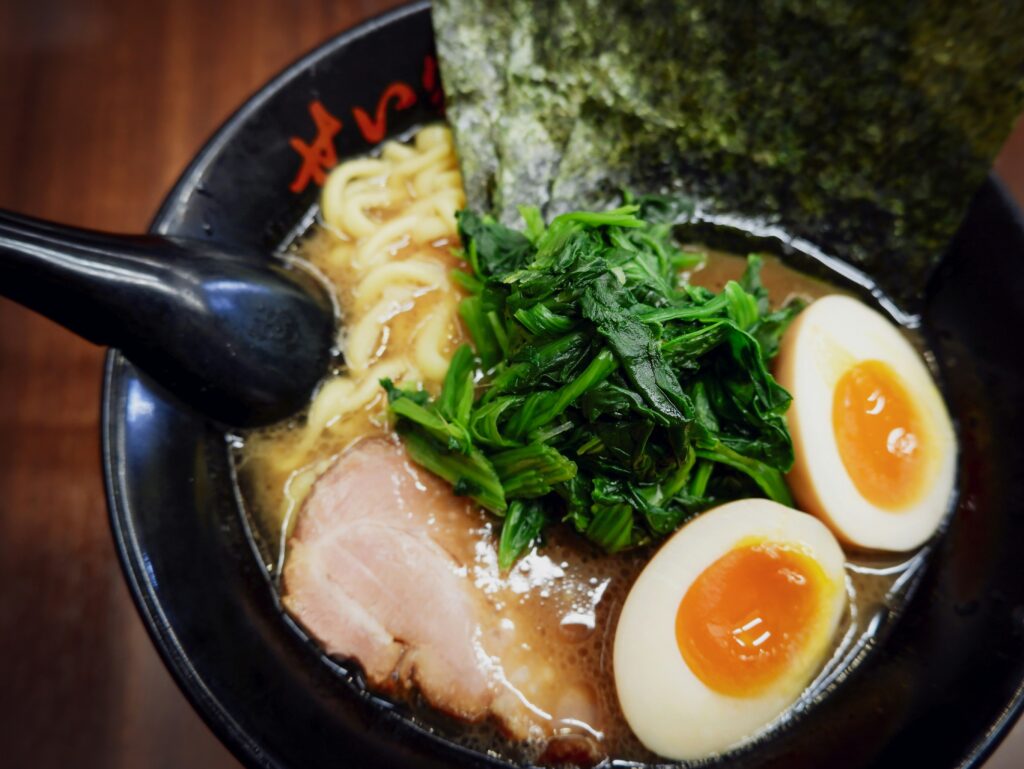
Walk into a 7-Eleven in Tokyo at midnight, and you might spend twenty minutes deciding between seven varieties of rice ball, a chilled matcha pudding made with ceremonial-grade tea, or a hot bowl of tonkotsu noodles assembled in thirty seconds. This is not fast food. It is a parallel culinary universe — one that took decades of obsessive quality refinement to build.
First-time visitors to Japan expect chips and energy drinks. What they find instead rewires their understanding of what a corner shop can be.
Six Things That Genuinely Shock First-Timers
01. The Sandwiches Are Exceptional
Tamago sando — white bread, egg salad, no crusts — have achieved cult status globally. The bread is pillowy and fresh daily. The filling is seasoned with quiet precision. Nothing about it should work. All of it does.
02. Hot Food Is Genuinely Good
The steamed buns (nikuman), fried chicken (kara-age), and rotating oden pots aren’t afterthoughts. They’re produced to standards that would embarrass casual restaurants in most countries.
03. Seasonal Rotation Is Relentless
The menu changes every few weeks to track the agricultural calendar and cultural moments. Cherry blossom flavors in spring, cold ramen in summer, sweet potato everything in autumn. Miss it and it’s gone.
04. Onigiri Is a Lesson in Rice
Each triangle is wrapped so the nori stays crisp until you open it — a packaging innovation patented in the 1970s. The fillings range from pickled plum to grilled salmon to mentaiko cream cheese. It costs ¥130.
05. Desserts Embarrass Bakeries
Puddings with a flan-like wobble, strawberry shortcakes that collapse into cream, dorayaki filled to the edges. Japanese convenience store dessert R&D budgets are, almost certainly, not small.
06. Even the Coffee Is Serious
FamilyMart and 7-Eleven machines grind beans to order. For ¥100 — less than a dollar — you get something that takes a long breath before speaking ill of.
Items Worth Seeking Out
| Item | Why It’s Worth It |
| Tuna mayo onigiri | The benchmark. Judge every konbini by this one item. |
| Chicken kara-age | Hot counter, fresh batch, eaten standing outside. No debate. |
| Steamed nikuman | Pork-filled bun, glass case by the register. ¥105. |
| Matcha roll cake | 0{ddb11b1023b57c1221136da579662e582aac00fcee3056f8a74cf102e3042afd} matcha cream, sponge so light it apologizes for existing. |
| Hokkaido milk pudding | A trembling, ivory-colored argument for dairy quality. |
| Chilled zaru soba | Cold buckwheat noodles with dipping tsuyu. Underrated entirely. |
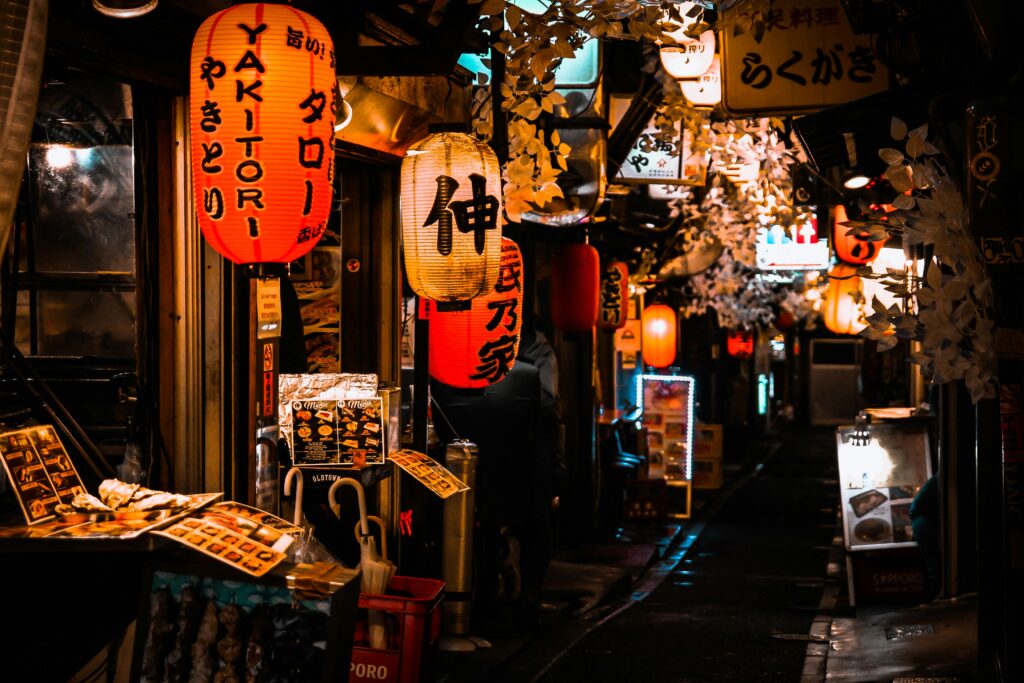
| Yakitori skewers | Tare-glazed and heat-lamped. Pairs well with a cold can at the curb. |
| Mentaiko pasta | Microwaveable, spiced cod roe, disturbingly satisfying at 11am. |
The Seasonal Calendar
Japanese convenience stores track the seasons with the intensity of a farmer’s almanac. These are not gimmicks — they reflect genuine agricultural cycles and centuries of culinary tradition compressed into cellophane packaging.
| Season | What to Look For |
| Spring | Sakura mochi, cherry blossom lattes, strawberry daifuku, sakura-flavored everything for approximately six weeks |
| Summer | Kakigori shaved ice, ramen bottles, café ramen, watermelon-flavored sweets, chilled edamame snacks |
| Autumn | Sweet potato mont blanc, chestnut mochi, pumpkin everything, mushroom onigiri, warm odor returns |
| Winter | Strawberry shortcake for Christmas, mochi-adjacent snacks, hot corn soup in a can, thick nikuman fillings |
Why It Works
“In Japan, ‘convenience store food’ is not a category of apology. It is a category of genuine craft — one produced at a scale that most fine-dining establishments simply cannot match.”
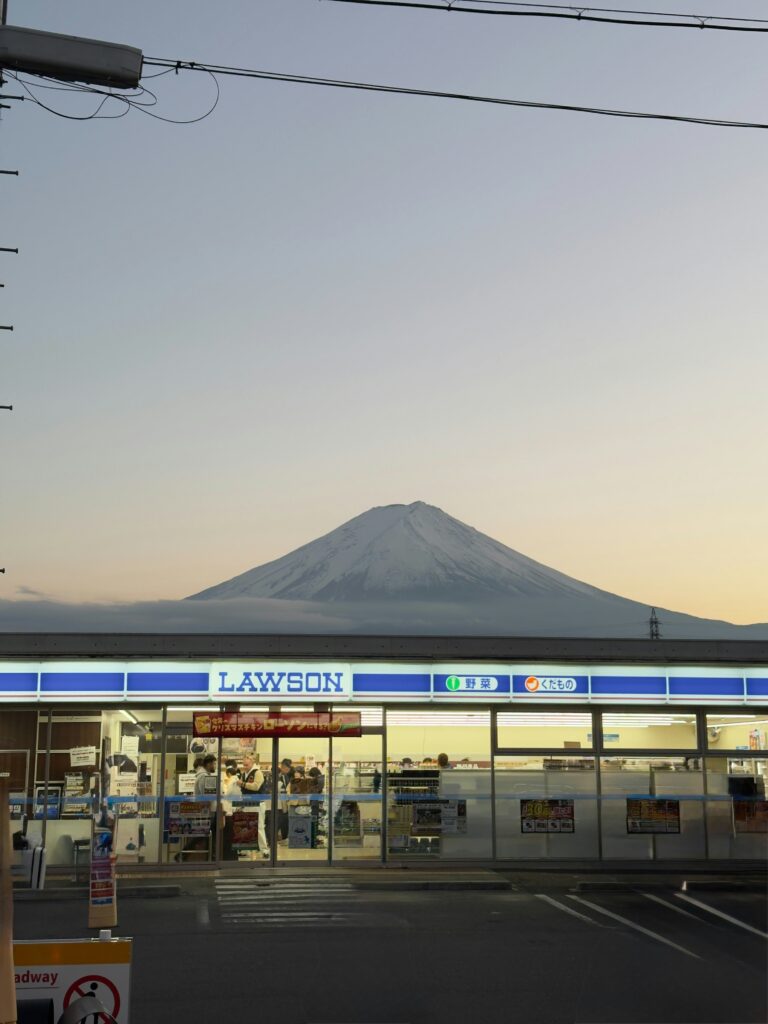
The secret, if there is one, is the feedback loop. Japan’s major chains — 7-Eleven, Lawson, FamilyMart — run R&D departments staffed by trained chefs. Slow-selling items are rotated out within weeks. Regional variations are tested constantly. A new onigiri filling will be refined across dozens of iterations before reaching the shelf. The result is a system that iterates faster, and more honestly, than almost any restaurant chain in the world.
First-time visitors spend their first konbini trip bewildered. By their third day in Japan, they’ve developed strong opinions about which chain makes the better tamagoyaki. This is not an accident. It is the entire point.
Irasshaimase.