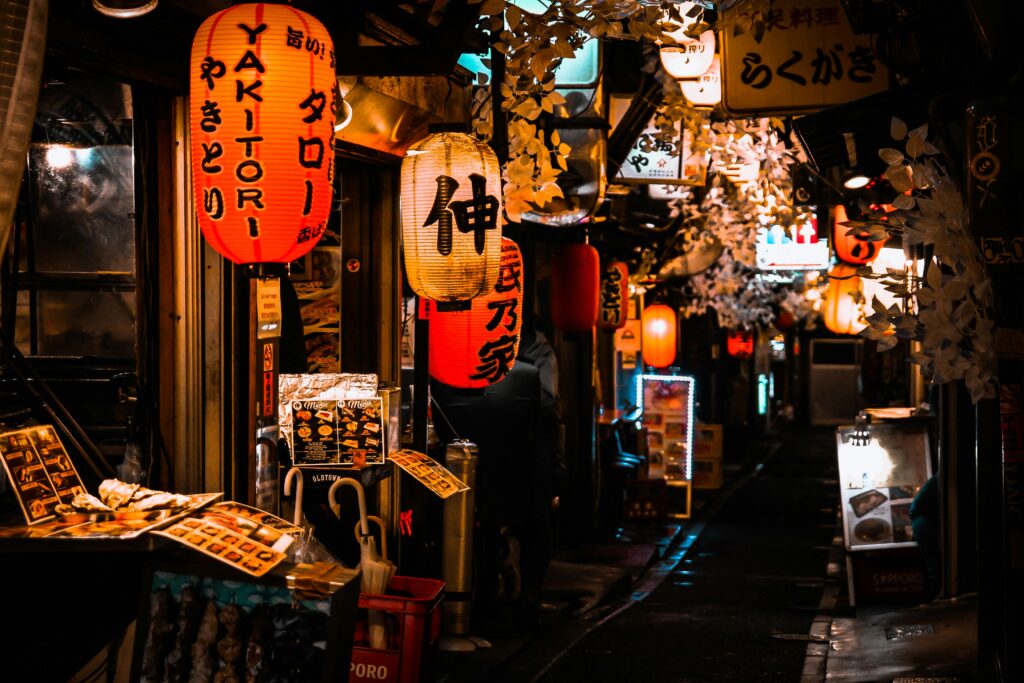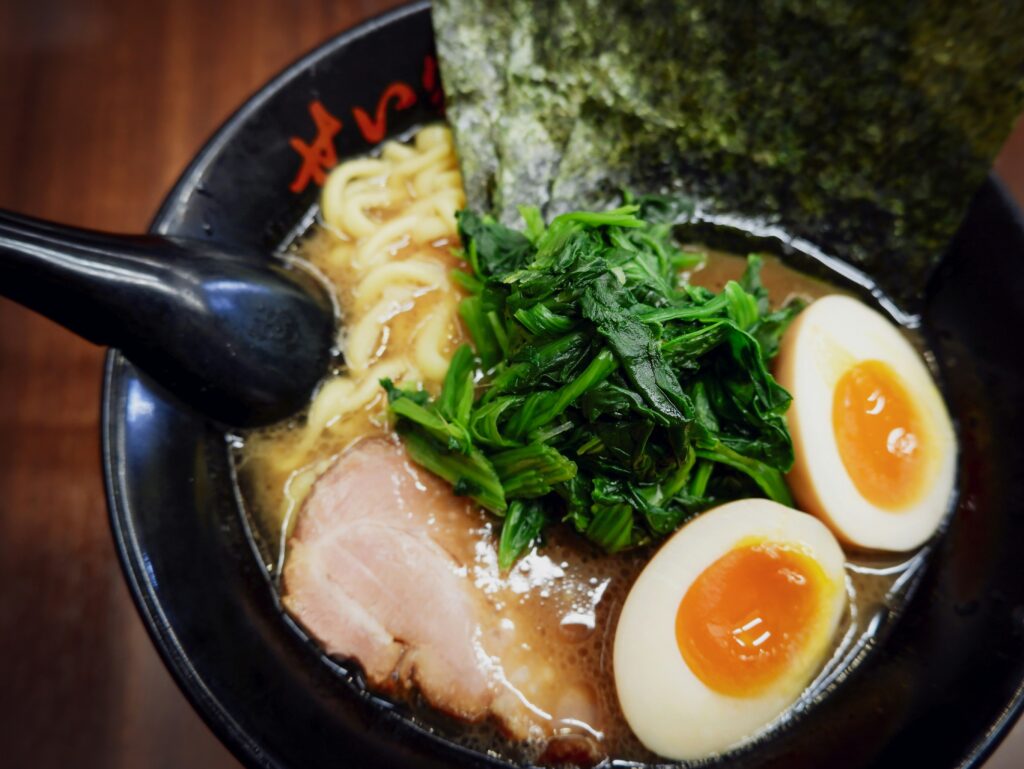
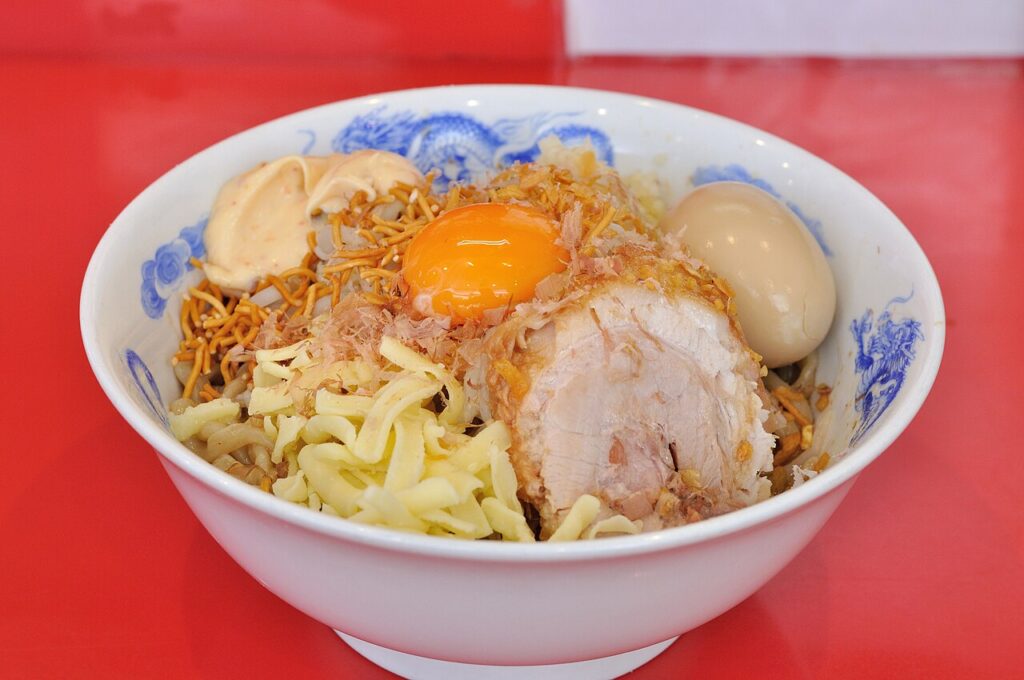
It’s close to midnight somewhere in Osaka’s Namba district. The izakayas are still buzzing, the karaoke boxes are loud, and a group of salarymen in loosened ties spills out onto a narrow side street. They don’t head for taxis. They don’t look for a convenience store. Almost instinctively, they turn toward the warm glow of a ramen shop tucked under the train tracks, slide open the noren curtain, and sit down for one last bowl before the night ends.
This is shime ramen — and if you’ve spent any real time out drinking in Japan, you already know the feeling even if you didn’t have a name for it.
What Shime Actually Means
The word shime (〆) carries a specific meaning in Japanese that doesn’t translate cleanly into English. It means to close, to tie off, to bring something to its proper end. You’ll see it in accounting contexts, in formal letter writing, in the ritual of closing out a tab. When Japanese people say shime ramen, they’re not just talking about eating noodles late at night. They’re talking about the act of finishing something correctly.
A night out in Japan has an understood rhythm. There’s the first round of drinks, the food, the second bar, maybe karaoke. And then, before you go home, you eat something warm and substantial. The shime is the period at the end of the sentence. Without it, the night feels unresolved.
This isn’t unique to ramen. Depending on the region, shime might mean a bowl of ochazuke (rice with green tea poured over it), a plate of fried rice, or a simple bowl of udon. But ramen, with its rich broth and satisfying noodles, has become the most common and culturally recognized choice across Japan.
The Cultural Logic Behind the Ritual
To understand why shime ramen exists, it helps to understand how Japanese people drink. The izakaya culture isn’t really about getting drunk as quickly as possible. It’s about the long, slow pleasure of eating and drinking together — small plates of food arriving continuously, drinks flowing at a relaxed pace, conversation taking its time.
By the end of a proper izakaya evening, you’ve had beer, sake, maybe shochu or highballs. You’ve eaten well, but the food was spread across hours in small portions. The shime ramen serves a practical purpose: it absorbs alcohol, lines the stomach, and provides the kind of dense, warming comfort that signals the body it’s time to wind down and go home.
There’s also something almost ceremonial about it. Eating together at the end of the night extends the social time without requiring more drinking. It’s a gentle decompression — a way of saying, without saying it, that the night was good and now it’s closing properly.
Why Ramen and Not Something Else
Ramen works for the shime moment in ways that most other foods don’t. The broth is warm and immediate. The noodles are filling without being heavy in the way that a full meal might feel. A bowl takes fifteen minutes to eat, which is exactly the right amount of time for the night to wind down naturally.
There’s also the accessibility. Japan’s ramen shops — especially in cities like Tokyo, Osaka, Fukuoka, and Sapporo — are often open until two or three in the morning specifically because they understand their role in the nighttime economy. Some shops near entertainment districts don’t even open until the evening, built entirely around the shime crowd.
The price point matters too. A bowl of ramen typically costs between 700 and 1,200 yen, which feels like a reasonable, unpretentious way to end the night rather than a financial commitment.
Regional Differences Worth Knowing
Japan’s regional ramen cultures mean that the shime experience varies depending on where you are.
Fukuoka and Hakata Ramen
Fukuoka is arguably the spiritual home of shime ramen culture. The city’s tonkotsu ramen — made from pork bones simmered for hours into a milky, intensely savory broth — is served in small portions by design, making it easy to eat even after a full night of drinking. Many Hakata ramen shops practice kaedama, the custom of ordering replacement noodles to drop into your remaining broth, stretching the experience without ordering an entire second bowl. The ramen stalls along the Nakasu riverfront, known as yatai, were built precisely for this late-night ritual and have been part of Fukuoka’s nightlife for decades.
Tokyo’s Late-Night Ramen Scene
Tokyo’s shime ramen culture is less concentrated and more scattered. In neighborhoods like Shinjuku’s Golden Gai, Shibuya, and around the Yamanote Line’s busier stations, small ramen counters stay open late knowing that the post-bar crowd will find them. Tokyo-style shoyu (soy sauce) ramen, with its clear amber broth and thin noodles, is a common choice — lighter than tonkotsu, which some people prefer after a long night of eating.
Osaka’s Flexibility
Osaka is more flexible about what counts as shime. The city’s strong food culture means that takoyaki, okonomiyaki, and ramen all compete for the late-night role. But ramen shops in the Dotonbori and Namba areas still fill up steadily after midnight, and the energy inside them — the mix of business people, young couples, tourists, and locals — captures something true about how Osaka eats.
The Etiquette of Eating Shime Ramen
There are a few unspoken understandings worth knowing before you slide into a ramen shop at midnight.
- Order quickly and eat at a reasonable pace. Late-night ramen shops are often small, with limited seating, and the turnover needs to move.
- It’s acceptable to be slightly loud and relaxed in a way that wouldn’t be appropriate in a formal restaurant. These shops understand their clientele.
- Slurping your noodles is not only acceptable but expected. It’s not rudeness — it’s appreciation, and it cools the noodles as you eat them.
- Drink the broth. Especially after a night of alcohol, the salt and warmth of a good tonkotsu or shoyu broth is exactly what the body wants.
- Tipping is not practiced in Japan. Simply say gochisosama deshita — “thank you for the meal” — when you leave. It’s enough.
What Shime Ramen Reveals About Japan
There’s a broader cultural idea embedded in the shime ritual that goes beyond food. Japanese culture places genuine value on the concept of proper endings — on doing things completely rather than leaving them unfinished. The same instinct that makes Japanese workers stay until a project is truly done, that makes a tea ceremony feel complete rather than rushed, that makes a formal letter require a closing character — that same instinct shows up in the idea that a good night deserves a proper conclusion.
Shime ramen is, in a small way, a reflection of that. It’s not decadence. It’s not excess. It’s the acknowledgment that the night happened, that it was worth closing correctly, and that a warm bowl of noodles is the right way to do it.
The Japanese concept of ma — the meaningful pause, the space between things — applies here too. Shime ramen is the ma between the night and the morning. It’s the breath before you go home.
How to Experience It as a Visitor
You don’t need to drink to participate in shime ramen culture. The shops are open to everyone, and a late-night bowl of ramen is one of the most honest food experiences Japan offers — no performance, no theater, just good broth and noodles under fluorescent light while the city settles around you.
If you’re in Fukuoka, find one of the Nakasu or Tenjin yatai stalls and sit at the counter. In Tokyo, the area around Shinjuku Station’s east exit has ramen options within a short walk in several directions. In Osaka, wander slightly away from the main Dotonbori strip and you’ll find smaller, less crowded spots that the locals prefer.
Go late — after ten at night, ideally closer to midnight. The atmosphere is different then. The city has shifted into a quieter register. The people eating beside you have had a full night of their own. The cook behind the counter has been working since evening and has the easy rhythm of someone who knows exactly what they’re doing.
Order the house ramen. Eat it slowly. Drink the broth at the end.
Then go home. The night is properly finished.