So You Think You Know Ramen
You’ve had instant noodles. Maybe you’ve even been to a ramen restaurant back home. But here’s the thing — until you’ve slurped a bowl of proper Japanese ramen in the city that invented it, you haven’t actually had ramen. Bold claim? Come to Japan and prove me wrong.
This ramen guide is your shortcut to understanding one of Japan’s greatest contributions to human happiness. We’re talking regional styles, ordering secrets, etiquette tips, and the kind of insider knowledge that doesn’t make it into your average guidebook. Let’s eat.
The Four Pillars: Japan’s Main Ramen Types
Japanese food culture is intensely regional, and nothing illustrates that better than ramen. The broth, the toppings, even the noodle thickness — everything changes depending on where you are in Japan.
Shoyu Ramen — Tokyo’s Soulful Classic
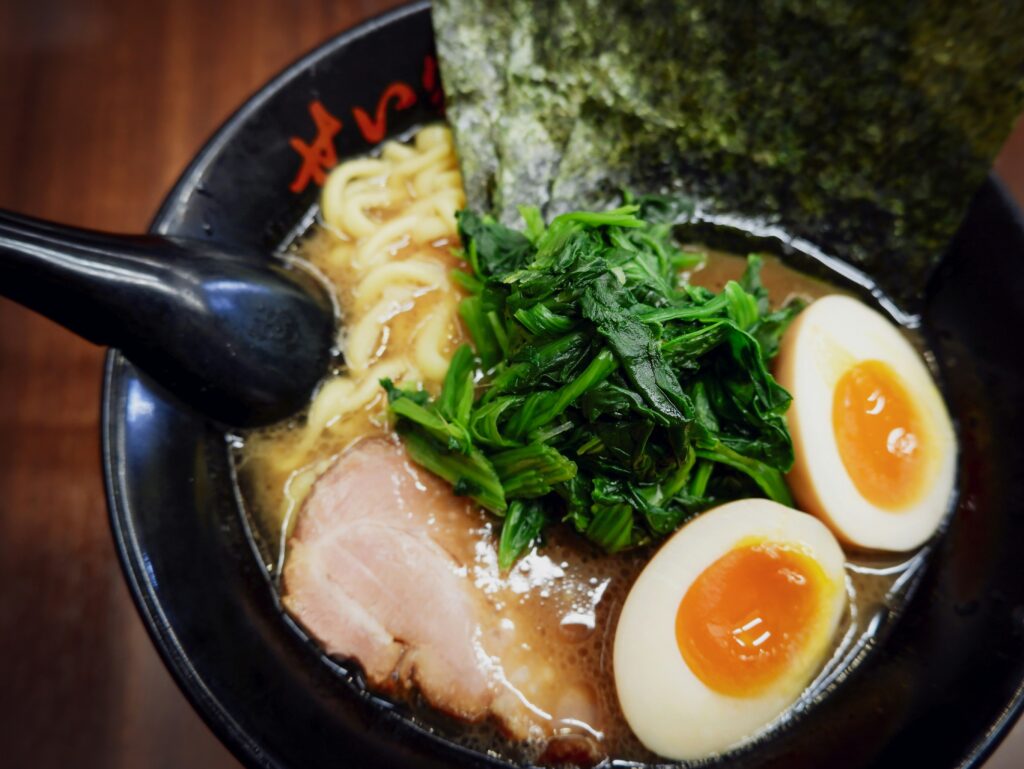
Shoyu (soy sauce) ramen is the one that started it all. Born in Tokyo, it features a clear, amber-colored broth built on chicken or pork stock, seasoned with soy sauce for that deep, savory backbone. The flavor is complex but never heavy — it’s the kind of bowl you could eat every day without getting tired of it.
The noodles are typically thin and wavy, the toppings restrained: a slice of chashu (braised pork belly), a perfectly soft-boiled egg, bamboo shoots, and nori. Tokyo ramen is elegant. It doesn’t shout. It just quietly ruins every other bowl for you forever.
Insider tip: In Tokyo, skip the tourist-trap ramen chains near Shinjuku station and instead head to the backstreets of Ogikubo or Koenji. Tiny six-seat counters run by obsessive 60-year-old masters who’ve been perfecting the same broth for decades. That’s the real thing.
Tonkotsu Ramen — Kyushu’s Rich, Unapologetic Powerhouse
If Shoyu is a refined whisper, Tonkotsu is a full-volume shout. Originating in Fukuoka (and beloved across all of Kyushu), Tonkotsu ramen gets its signature milky-white broth from pork bones simmered at a furious boil for up to 18 hours. The result is rich, creamy, and deeply porky in the best way imaginable.
The noodles here are thin and straight — practically mandatory in Hakata-style ramen — and you’ll almost always get the option of kaedama, a second serving of noodles dropped into your remaining broth for a small fee. This is not optional. Do the kaedama.
Insider tip: Fukuoka’s yatai — open-air street food stalls that pop up along the riverbanks at night — serve some of the best Tonkotsu you’ll find anywhere. Pull up a plastic stool, order a beer, and eat while strangers become friends. Pure magic.
Miso Ramen — Sapporo’s Cold-Weather Masterpiece
Hokkaido is cold. Like, seriously, genuinely, bone-achingly cold for half the year. So it makes perfect sense that Sapporo gave the world miso ramen — a thick, hearty, warming bowl that laughs in the face of a February blizzard.
Miso ramen uses fermented soybean paste as its seasoning base, producing a bold, nutty, slightly sweet broth that can handle rich toppings without flinching. Corn, butter, and moyashi (bean sprouts) are classic Sapporo additions. The noodles are thick and curly, designed to hold all that glorious broth.
Insider tip: Sapporo’s “Ramen Alley” (Ganso Ramen Yokocho) in Susukino is touristy but still worth a visit for atmosphere. For the real deal, venture into the Sumikawa or Hassamu neighborhoods where locals actually eat.
Shio Ramen — The Subtle One Everyone Underestimates
Shio means salt, and shio ramen is the most delicate of the four main ramen types in Japan. The broth is typically light and clear — often chicken or seafood-based — and the seasoning is a carefully balanced salt tare that lets the natural flavor of the stock shine through.
It looks simple. It is not simple. Making a great shio ramen is arguably harder than any other style, because there’s nowhere to hide. No rich fat, no dark soy — just pure, clean flavor. Hakodate in Hokkaido is its spiritual home, though excellent versions exist across the country.
How to Order Ramen Like a Local
Walk in, take a ticket from the vending machine near the door (most traditional shops use these), hand it to the staff, and sit down. Many shops will ask you to customize: katasa (noodle firmness), kosa (broth richness), and karame (saltiness). If you’re unsure, just say “futsuu” — normal — and you’ll get the house default.
On etiquette: Slurping is not just acceptable in Japan, it’s the correct way to eat ramen. It aerates the noodles, cools them slightly, and — if you ask any ramen chef — it means you’re enjoying yourself. Slurp loudly and proudly.
How to Find a Great Ramen Shop
The queue outside is your friend. A line of locals at lunchtime is worth more than any review site. Also look for shops with handwritten menus, single-item focus (they only make one or two things), and a chef who barely looks up when you walk in. That level of concentration is a good sign.
Apps like Tabelog (Japanese Yelp, essentially) and Ramen Database (ramendb.supleks.jp) are goldmines for serious ramen hunting. Filter by region, style, and rating — then go eat.
One Bowl at a Time
Japanese ramen is not fast food. It’s not a trend. It’s a craft that some people dedicate their entire lives to, one broth at a time. The best way to understand Japan is often through its food — and ramen, in all its regional glory, tells you more about this country than any museum ever could.
Ready to go deeper? At UraJapan, we cover the Japanese food spots, neighborhoods, and experiences that the guidebooks miss entirely. Browse our Japan food guides, izakaya walkthroughs, and city-by-city eating itineraries — and start planning the trip that actually gets under the skin of this extraordinary country.
Itadakimasu.