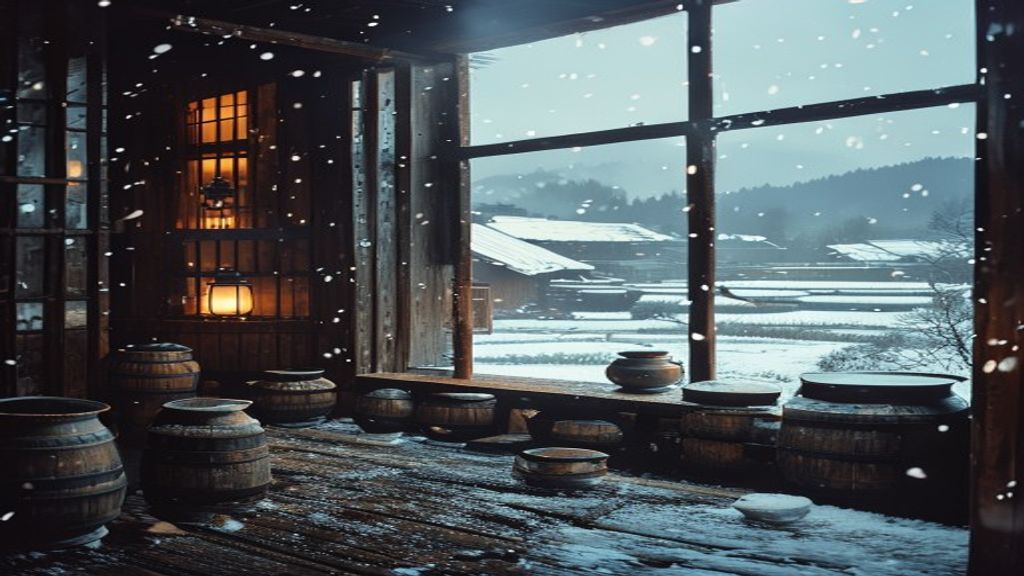
The train pulls into Niigata Station on a February afternoon and the platform is already dusted white. Not Tokyo-white, that thin decorative frost that melts by noon. This is the real thing — heavy, deliberate snow that has been falling on the Sea of Japan coast since November and will not stop until March has made its point. You step outside, your breath crystallizes, and somewhere in a building you cannot see, a toji (杜氏) — a master brewer — is checking the temperature of a fermentation tank for the fourth time today.
That snow is not incidental to what you came here to drink. It is the reason the sake is good.
Niigata produces around 90 licensed breweries across a prefecture roughly the size of Connecticut, which means this is not a place you pass through and accidentally stumble into great sake. It requires planning, a specific kind of curiosity, and the willingness to drink before noon in a cold building while an elderly man watches your face for a reaction. This guide exists to make that process less chaotic.
Why Niigata Sake Tastes the Way It Does
The short version: everything here conspires to make clean, dry sake and it would almost be embarrassing if it didn’t.
The snowmelt filtering through granite ranges produces water with extremely low mineral content — what brewers call nansui (軟水), or soft water. Soft water ferments more slowly and gently, producing sake with a delicate, less assertive character. Paired with Koshihikari (コシヒカリ) rice grown in alluvial plains so fertile they almost feel unfair, and you have raw ingredients that predispose the entire prefecture toward a particular style: tanrei karakuchi (淡麗辛口), meaning light-bodied and dry.
This is not the rich, fruity, almost dessert-like sake you may have tried at a Japanese restaurant abroad. Niigata sake cuts clean and exits cleanly. It is the style that pairs with food rather than competing with it, which is either exactly what you want or a mild disappointment depending on what you came expecting.
The local seimaibuai (精米歩合) — the percentage of rice grain remaining after polishing — tends toward aggressive milling. Many Niigata breweries work at 50% or below, meaning half the grain is polished away before fermentation begins. More polishing removes the outer layers that carry fats and proteins, resulting in the lighter, cleaner profile the region is known for. It also results in considerably more expensive sake, which nobody tells you until you are already holding a bottle of Koshino Kanbai and doing arithmetic.
The Breweries Worth Your Time (And How to Get There Without a Car)
Three names come up in every serious conversation about Niigata sake, and for once, the consensus is correct.
Koshino Kanbai (越乃寒梅), based in Niigata City, built its reputation on scarcity — for decades it was the sake you either knew someone to get or didn’t get at all. The brewery does not run dramatic public tours, but their shop in the city is accessible and worth the visit for the sheer range of expressions under one label. It’s a good place to understand how a single house style can produce everything from a clean junmai to a daiginjo (大吟醸) that costs more than your train ticket.
Hakkaisan (八海山) in Minamiuonuma is the operation that tourists find first and locals have complicated feelings about. The brewery runs a proper tasting facility, the Hakkaisan Yukimuro — a snow-cooled sake cellar that stores bottles at a stable low temperature using nothing but packed snow. The tasting flights are well-organized and the adjoining restaurant handles the pairing work for you. It is, bluntly, the easiest entry point in the prefecture.
Imayo Tsukasa (今代司酒造) sits inside Niigata City, walkable from the station, and runs free brewery tours that are genuinely informative rather than performative. The guide takes you through the koji (麹) room where the mold culture is cultivated on steamed rice, explains fermentation in terms a non-specialist can follow, and then leaves you in the tasting room with several glasses. It costs nothing. This is where you should start.
For visitors who want a curated half-day rather than navigating logistics alone, the Niigata Sake Brewery Tour with Tastings (half-day) handles transport between breweries and includes guided tastings with English commentary — useful if you want context without spending the morning decoding bus schedules.
Getting between Niigata City and Minamiuonuma without a car is entirely manageable. The Joetsu Shinkansen reaches Urasa Station in roughly 25 minutes from Niigata City, and the brewery is accessible from there. For smaller stops and last-mile logistics, How to Get to Small Towns in Japan Without a Car covers the approach in more detail than I can fit here.
| Brewery | Location | Tours Available | Best For |
|---|---|---|---|
| Imayo Tsukasa | Niigata City | Yes, free, daily | First-timers, accessible logistics |
| Hakkaisan | Minamiuonuma | Yes, paid, structured | Cellar experience, food pairing |
| Koshino Kanbai | Niigata City | Shop only | Collectors, label comparison |
| Kirinzan | Aga-machi | By appointment | Serious enthusiasts only |
How to Drink It: Temperature, Pairing, and What the Menu Doesn’t Explain
Temperature is where most people make their first mistake. Niigata’s light, dry style is generally served cold — reishu (冷酒) at around 10°C — because heat amplifies the aromatic compounds in a way that works for fuller, richer sake and slightly overwhelms the delicate character here. A warm cup of Hakkaisan is not wrong, exactly, but it is not what the brewer had in mind.
The pairing logic follows the same principle. Kegani (毛蟹), the horsehair crab that appears on Niigata menus from winter through early spring, and the prefecture’s own yukiguni (雪国) salt-grilled fish want a sake that stays out of the way. Rice and sake grown from the same soil have an almost redundant harmony. Sake-kasu (酒粕) — the pressed lees left after fermentation — appears in local cuisine as soup, pickles, and cod marinades, and drinking the sake alongside its own byproduct has an internal logic that is either very satisfying or slightly circular, depending on your mood.
“In Niigata, sake is not an event. It is what you drink the way people in other places drink water with dinner — present, considered, unremarkable in the best possible sense.”
For visitors who want the pairing experience structured around a proper meal, the Niigata Sake Tasting & Chef’s Pairing Experience handles both the selection and the food in one sitting, which is useful if you only have one evening to spend.
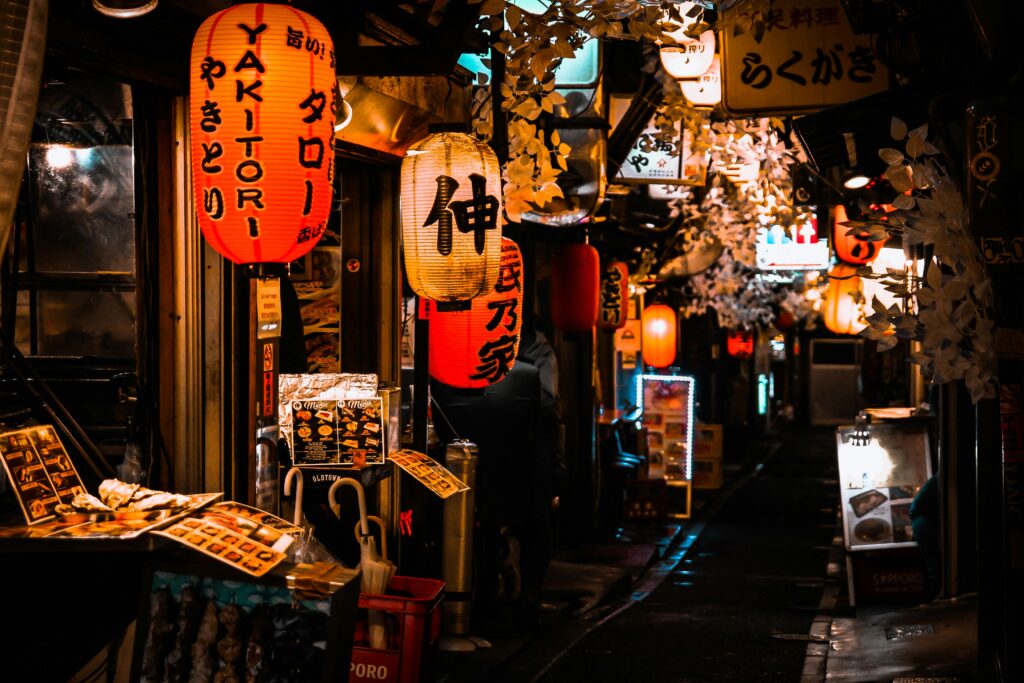
For drinking without ceremony, the tachinomi (立ち飲み) — standing bar — culture in Niigata City’s Furumachi district is where you want to be after 6pm. Small, warm, cash-preferred, and populated by people who drink sake every night without finding it remarkable. Nobody will explain anything to you. That is part of the point.
Logistics, Lodging, and What to Bring
Niigata City functions as the sensible base for most of this itinerary. The shinkansen connects it to Tokyo in roughly two hours, the main breweries are either in the city or a short train ride away, and the restaurant and bar infrastructure around Furumachi handles evening meals without any planning on your part.
For accommodation, the question is whether you want a ryokan (旅館) or a city hotel. A ryokan stay in Minamiuonuma near Hakkaisan makes sense if you are committing a full day to the southern breweries — the ski resort infrastructure in that area means ryokan options are reasonable rather than extraordinary. For a city-center base with easy access to Furumachi and the station, Hotel Nikko Niigata — city-center base for brewery days is a reliable option that doesn’t require you to choose between comfort and location.
Winter visits — December through February — deliver the full snow atmosphere and the freshest shiboritate (搾り立て) sake, pressed just weeks before. Spring brings haru-age (春上げ), sake that has been stored through the cold and released as temperatures climb. Both are worth planning around. Summer is quieter and cheaper but misses the elemental logic of drinking cold sake while the world outside is frozen.
Before leaving, a pair of proper vessel notes: sake tastes different depending on what it is served in, and bringing your own cup is not unusual at casual tastings. A Traditional Wooden Masu Sake Cup Set (3-pack) and Sake Tasting Flight Glasses is a reasonable pre-trip purchase — the masu adds the faint cedar note that frames certain dry styles cleanly, and flight glasses let you compare three expressions side by side without losing the aromatics.
On the practical side: download the Jorudan or HyperDia app for train times between sites. Cash is still preferred at most small brewery shops. Bring layers that you are genuinely willing to get sake-damp. And if you find yourself inside a convenience store at midnight looking for something to absorb the last tasting flight, Japan’s Convenience Stores at 3am will tell you exactly what to reach for.
The Thing No Guidebook Says
Everyone covers the famous breweries. Nobody tells you that the most interesting sake in Niigata is often made by the small operations that have survived precisely because they never became famous. The regional jizake (地酒) on the menu at a neighborhood izakaya in Sanjo or Tsubame — towns better known for metalwork than sake — represents brewers who have been making small-batch rice wine for a regional audience for generations without any interest in export or Instagram.
Ask the bartender what they drink at home. The bottle they reach for is not the one in the tourist brochure.
kanpai