When walking through a Japanese castle town, notice how the streets slow, turn, and frame views before you notice the keep itself. Look for moats, canals, former samurai areas, merchant streets, temple belts, and small changes in street width, because these features often explain how the town was defended, governed, and supplied. A castle town is not simply a surviving castle on a hill or behind stone walls; it is a living pattern of routes, water, property lines, and trades that has been reused for modern houses, shops, schools, and roads. Start with a map, but let the shape of the town guide your pace.
Walk from the castle site outward, or from the old commercial district toward the castle, and compare each zone. Curving roads and offset intersections may have slowed attackers; moats and canals also moved goods, drained land, and marked status. Broad frontage, deep narrow lots, covered arcades, storehouses, and family businesses can point to merchant districts, while gates, embankments, shrines, and temple clusters show older boundaries. Be respectful: many historic traces are now someone’s neighborhood or workplace. Keep to public streets, do not peer into private homes, and treat ordinary details as evidence rather than decoration.
The Street Pattern Is the First Clue
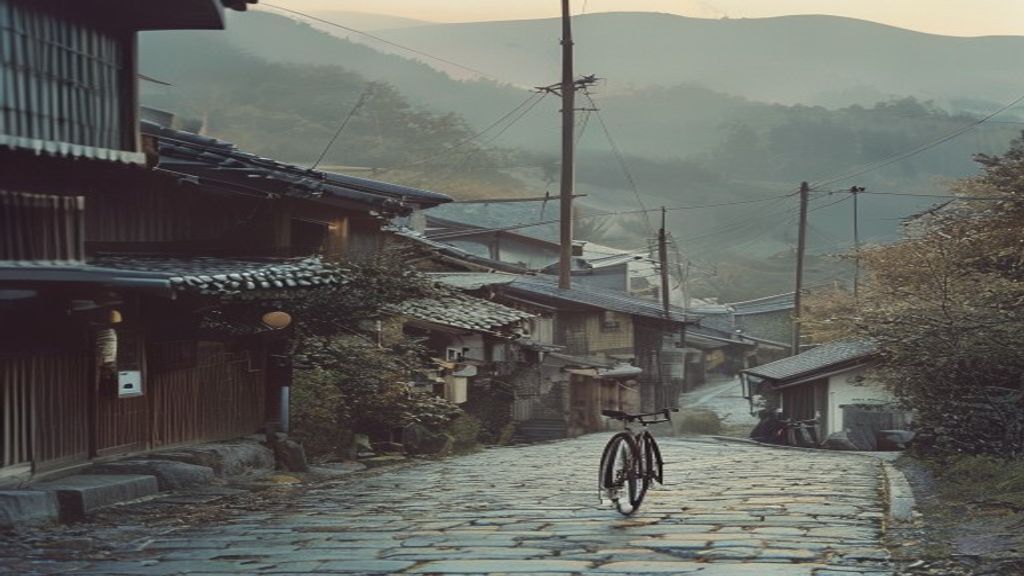
In many Japanese castle towns, the street plan was part of the defense, not just a way to move people and goods. As you walk, notice where a road bends for no obvious reason, where a lane narrows before widening again, or where two streets meet slightly off center. Such features could slow an approaching force, break up a clear line of sight, or make it harder to move in formation. Gates, guard posts, and earthen embankments have often disappeared, but the shape they imposed may remain in the alignment of houses, walls, canals, and road edges.
Do not expect one universal pattern. Each town adapted to its terrain, waterways, castle layout, and later rebuilding, so the same clue can have different meanings. A change in level may mark an old moat bank, a terrace edge, or a later road improvement. A dogleg street may reflect defense, property boundaries, or both. The practical approach is to read the town in layers: compare straight approaches with sudden turns, look for roads that trace watercourses, and watch how merchant streets open near former gates or bridges. The value is not in solving every corner, but in noticing that ordinary movement through the town still carries traces of planning, control, and everyday trade.
Moats, Bridges, and Deliberate Detours
In many Japanese castle towns, water was not just scenery. Moats, canals, and rivers helped separate the castle precinct from samurai residences, temples, and merchant streets, while bridges controlled where people, goods, and officials could pass. A straight line on a modern map may therefore conceal an older logic of delay: bends in roads, offset gates, and bridge approaches made movement easier to watch and harder to rush. As you walk, notice whether streets meet a bridge head-on or at an angle, whether the road narrows before crossing water, and whether stone walls, embankments, or changes in ground level still mark a boundary.
These features are useful to observe, but they are not props. Many waterways still manage drainage, define property edges, or support daily traffic, and bridges may be ordinary routes for residents rather than scenic viewpoints. Step aside before taking photos, avoid leaning over private edges, and do not enter maintenance paths or banks without clear public access. Look for practical details: guardrails added to older alignments, culverts replacing open channels, bridge names that preserve former districts, and shop fronts clustered near crossings. Such evidence shows how a castle town organized movement by permission, visibility, and distance, not simply by decoration. Reading it well means respecting both the historic plan and the present-day city built through it.
Merchant Quarters Tell a Different Story
In many castle towns, the streets below the main enclosure were not only approaches to power; they were the working floor of the domain economy. Samurai compounds often sat nearer the castle, while merchants, artisans, brewers, dyers, metalworkers, and transport agents occupied districts where goods could be made, counted, stored, and moved. The pattern was never identical from town to town, but a walker can often read it in broader streets for carts, narrow back lanes for workshops, firebreaks, canals, and rows of deep, narrow house lots. Storehouses with thick walls or plastered doors point to rice, sake, textiles, paper, or other taxable and tradable goods that supported both official administration and everyday livelihoods.
Merchant quarters can also show how ordinary commerce adapted to rules set by the castle. Some shops faced main roads used by travelers and suppliers, while production spaces and family rooms extended behind them. Arcaded sidewalks, latticed fronts, old signboards, and surviving warehouse clusters may mark places where selling, credit, craft skill, and neighborhood obligation overlapped. Do not assume every preserved facade is original or every old-looking street was prosperous. Instead, notice relationships: distance from the castle, access to water, road junctions, temple edges, and the size of plots. These clues help separate ceremonial town planning from the practical systems that fed it.
What Survived—and What Changed
When walking through a castle town, treat survival as a pattern rather than a promise that each surface is old. Moats may still mark the edge of a former inner compound, but their banks can be rebuilt in concrete, planted as parks, or crossed by roads that did not exist in the domain period. A street that bends around a castle hill may preserve an old line, while the houses along it may be postwar or renovated. Gates, stone walls, and earthen embankments often contain repairs from many periods. Look for relationships: the height of the castle site, the width of a former defensive road, the separation between samurai and merchant districts, and the way water controls movement.
Change is not a flaw in the story. Castle towns became prefectural capitals, rail stops, school districts, shopping streets, and residential neighborhoods. Fire, flood, war, land readjustment, and ordinary rebuilding altered them. Independent travelers can read this honestly by comparing scale and use: a broad avenue may follow a modern plan, yet a narrow side lane may reveal an older plot pattern; a merchant district may keep deep lots, plaster storehouses, or street-facing shop fronts even when the businesses have changed. Notice daily needs too—parking, drainage, deliveries, and homes above shops. These layers show that a castle town is not a preserved stage set, but an urban place that has kept working.
Walking a Castle Town with Care
Start slowly at the castle grounds, then let the street pattern explain itself. Wide approaches often mark former processional routes, while bends, doglegs, and changes in width may reflect defenses meant to slow movement and limit sightlines. Moats, embankments, and gates are not just scenery; they help you read how authority, water, and circulation shaped the town. Pause at corners before photographing, and keep doorways, driveways, and shrine or temple entrances clear. In residential lanes, lower your voice, stay to the side, and avoid peering into courtyards or windows. Many old districts are lived-in neighborhoods, not open-air museums, so the best pace is observant rather than acquisitive.
Use signs as part of the walk, even when you cannot read every character. Maps, stone markers, manhole covers, shop plaques, and bridge names can connect present streets with former samurai quarters, merchant rows, canals, or temple districts. Support local businesses in ordinary ways: buy a snack, use a staffed information counter, or choose a small shop without treating it as a prop. Ask before photographing people, interiors, or displays. To cover more ground without rushing, pair the walk with local transport: arrive by train or bus, walk from the station toward the castle, then return along a different route or use a bus stop near a merchant street. This keeps the visit compact, reduces unnecessary backtracking, and helps the town remain a place of daily use.