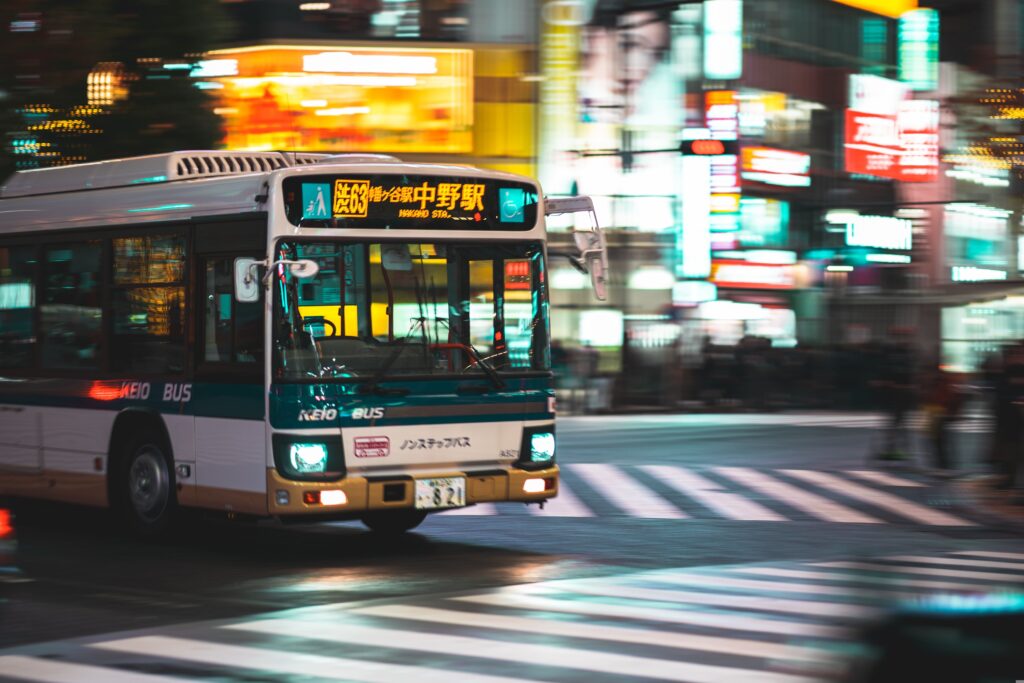
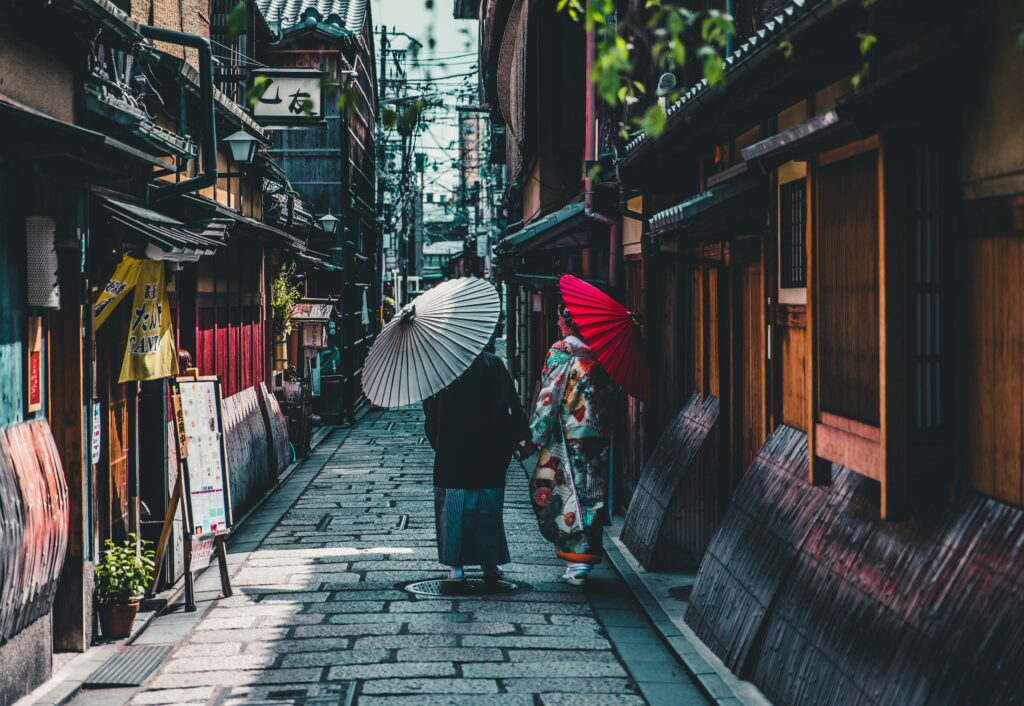
You bump into someone on the street in Tokyo. Before you have finished processing what happened, before you have opened your mouth, the other person is already apologizing. Deeply. Sincerely. For being bumped into.
This is your introduction to shazai (謝罪) — the Japanese art of the apology — and it will confuse you every time until it doesn’t.
The confusion is understandable. In most Western contexts, an apology is a response to fault. You did something wrong; you apologize; the matter is settled. In Japan the logic is different, and the difference runs deeper than politeness. The apology here is not primarily an admission of guilt. It is an acknowledgment that a moment of friction has occurred between two people, and that the relationship — however brief, however transactional — is worth the effort of repairing. Who caused the friction is almost beside the point.
Sumimasen: The Word That Does Everything
The most useful word in the Japanese language is not arigatō. It is sumimasen (すみません), and it does not translate cleanly into English because it does not have a single English equivalent. Depending on context it means excuse me, I’m sorry, thank you, pardon me, I hate to bother you, and please pay attention to me. It is used to get a waiter’s attention, to squeeze past someone on a train, to thank someone who has gone out of their way for you, and to apologize for something that was not entirely your fault.
The word’s etymology is telling. It comes from a negative form meaning roughly “this does not settle” or “I cannot be at ease about this” — the implication being that the speaker is in a state of unresolved social debt. Even when used to call a waiter, there is a ghost of that meaning: I am interrupting your work and I acknowledge that this creates an obligation.
Watch how often it appears in a single day in Japan and you will start to see the social architecture it holds up.
The Vocabulary of Regret
Japanese has an unusually rich vocabulary for apologizing, and the distinctions between terms are not interchangeable. Using the wrong level of apology in the wrong context lands as oddly as showing up to a casual dinner in a suit — technically not wrong, but unmistakably off.
| Japanese | Romanization | Register | Used when |
|---|---|---|---|
| すみません | Sumimasen | Neutral / everyday | Almost everything |
| ごめんなさい | Gomen nasai | Personal / warm | Genuine personal fault, close relationships |
| 申し訳ありません | Mōshiwake arimasen | Formal / serious | Professional, business, serious errors |
| 失礼しました | Shitsurei shimashita | Formal / mild | Interrupting, minor professional breaches |
| お詫び申し上げます | Owabi mōshiagemasu | Highest formal | Corporate apologies, public statements |
Gomen nasai sounds warm and personal, which is precisely why it sounds strange in a business context. Mōshiwake arimasen is so formal that deploying it in a casual setting comes across as either very serious or faintly comic. Most visitors can get through an entire trip using only sumimasen, which covers the vast middle ground of daily life, but knowing the spectrum changes how you read the apologies directed at you.
The Bow as Punctuation
The apology is rarely verbal alone. It is accompanied by a ojigi (お辞儀), a bow, and the depth of the bow is not decorative — it is part of the content of the apology itself.
A brief nod of the head is acknowledgment. A fifteen-degree bow is the everyday sumimasen. A thirty-degree bow signals genuine regret or professional courtesy. A forty-five-degree bow is reserved for serious situations. A ninety-degree bow — full parallel to the floor — is either the deepest possible apology or a formal greeting of great significance. You will rarely see the ninety-degree bow in daily life, but when you do, you will know exactly what it means.
There is also the phenomenon of the moving bow: two people apologizing to each other while walking backward, each one bowing slightly deeper than the last until they are physically too far apart to continue. This happens. It is not a joke. It is what happens when social lubrication becomes an aesthetic.
“The depth of a bow is a sentence. Most visitors only learn to read the full stop.”
When the Apology Is Not an Apology
The difficulty for outsiders is learning to distinguish between the apology as social ritual and the apology as genuine expression of remorse. They use the same words and often the same gestures, which means that visitors frequently interpret one as the other.
A shop assistant who says mōshiwake arimasen because your size isn’t in stock is not devastated. A train conductor who apologizes over the intercom for a two-minute delay is not personally distressed. These are performances of institutional care, and they are sincere in their own way — the care is real, even if the emotion is formalized. Japan’s service culture runs on this distinction: the feeling behind the form may vary, but the form is always maintained, because the form is what holds the interaction together.
Where it gets genuinely complicated is in professional and personal contexts where an apology is expected but not immediately forthcoming. The absence of an apology in Japan carries more weight than in most cultures precisely because the expectation is so strong. A company that delays its public shazai after a scandal, a colleague who does not acknowledge a mistake — the silence reads as a statement. Sometimes it is.
The Thing No Guidebook Says
Foreign visitors are almost universally forgiven for getting the apology wrong. Japanese people are aware that the system is complicated and extend considerable grace to people who are clearly trying. You will not cause serious offense by using sumimasen in a situation that technically calls for gomen nasai, or by bowing at the wrong angle.
What the guidebooks miss is the invitation inside the system. When you start using sumimasen correctly — not as a memorized phrase but as a genuine reflex, reaching for it when you’ve created any moment of friction, however minor — something shifts. The interactions you have with people become slightly warmer and slightly more reciprocal in a way that is difficult to articulate and impossible to fake. It is not that Japanese people are more impressed by foreigners who know the vocabulary. It is that the vocabulary, used honestly, signals that you understand what the interaction is actually about.
It is not about fault. It was never about fault. It is about acknowledging that the other person’s experience of this moment matters to you.
That is worth more than any amount of correct grammar.
Shitsurei shimashita.