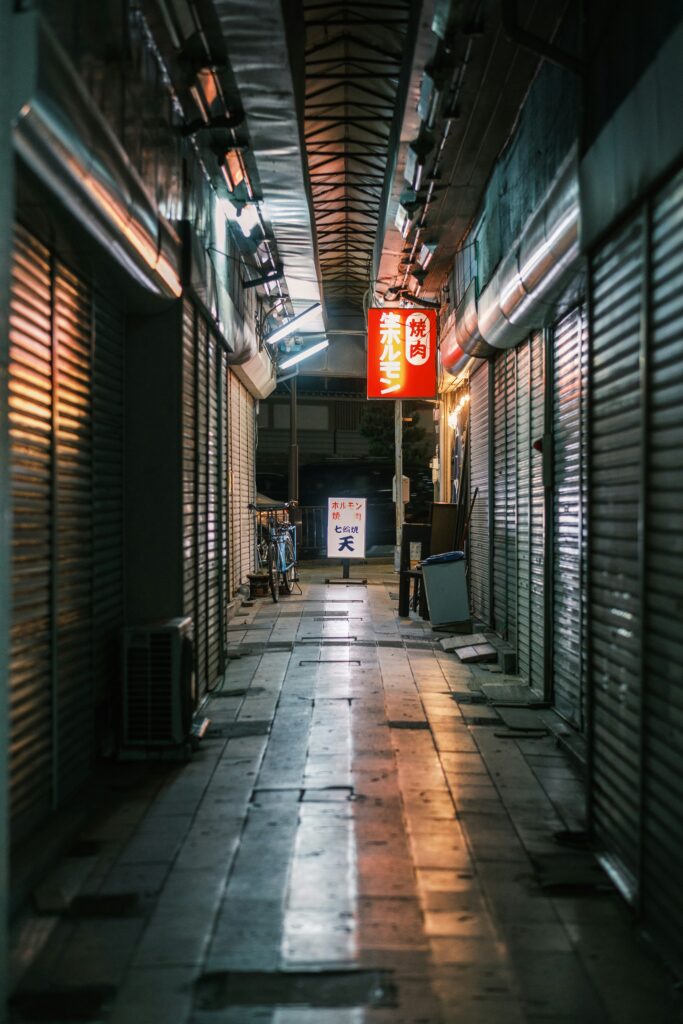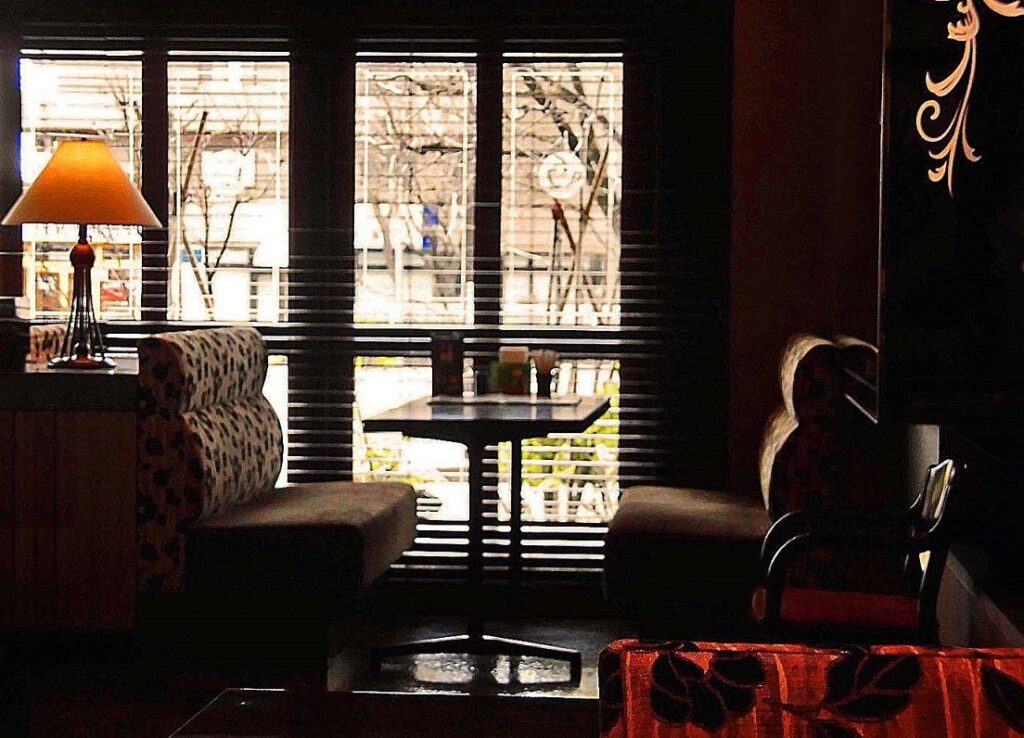
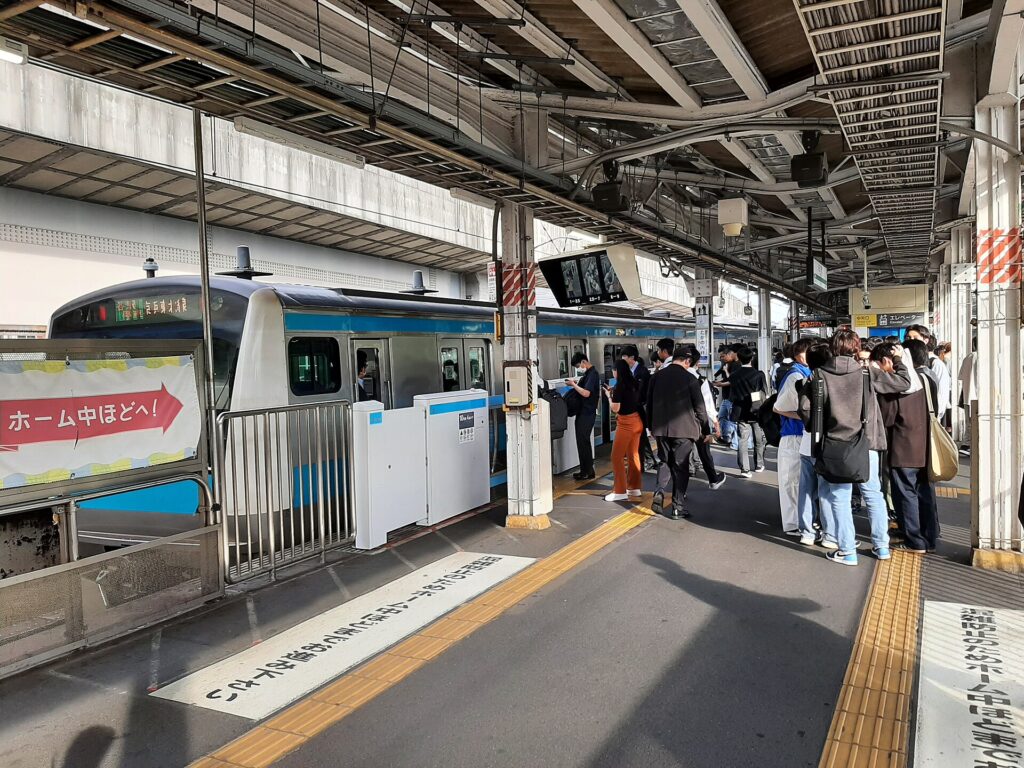
Tokyo can seem to run on a rule of constant replacement: a station is rebuilt, a storefront changes hands, and the next train is already arriving. Oji, in Kita City north of the central districts, offers a useful counterpoint. It is not preserved in the polished sense, and it does not need a grand itinerary. Instead, it is a place to walk through a working part of the city where a former watercourse, a large public park, a tiny streetcar, and traces of industrial history fit together quietly.
Begin with the shape of the neighborhood
Oji is a transit hub, but not the kind that demands your attention. JR Oji Station sits alongside the Tokyo Metro Namboku Line, while the Toden Arakawa Line passes nearby. People use the area to commute, shop, transfer, take children to the park, and get on with ordinary life. That is precisely why it makes sense as a half-day pause between bigger Tokyo plans.
The district sits near the edge of the Musashino plateau, where the land falls toward lower ground. Its slopes and shallow valley give the neighborhood more physical texture than much of central Tokyo. You are not looking for a single dramatic view here. The appeal is in noticing how paths, bridges, rail lines, and green space follow that terrain.
A simple route is to start around Oji Station, follow the green corridor of Otonashi Shinsui Park, then continue toward Asukayama Park. It is an easy framework rather than a prescribed trail. Leave room for side streets, a convenience-store coffee, or a detour into a bakery or small lunch spot that looks busy with local customers.
Walk beside a river that is no longer quite a river
Otonashi Shinsui Park is one of those Japanese urban spaces that rewards a little context. The waterway relates to the former Otonashi River, a name often associated with the Shakujii River in this area. Today, the park is not a wild riverside escape. It is a designed civic landscape: water, stonework, footpaths, planted edges, and the nearby structures of the city.
That distinction matters. Visitors sometimes arrive in Tokyo expecting nature to appear only in large gardens or far-off mountains. Oji shows another version of it: a managed green passage woven into daily infrastructure. You may see office workers passing through, older residents resting on benches, or families using the open areas. The space works because it is public and habitual, not because it has been turned into a spectacle.
Walk slowly enough to look at the changes in level. Small bridges and retaining walls make the old geography legible, even where modern roads and buildings have reshaped the surroundings. In Japan, waterways are often both natural features and engineering projects; the line between the two can be hard to separate. Oji makes that overlap unusually easy to see.
If you are traveling in spring, the park and nearby Asukayama area can be busier because of cherry blossoms. At other times, the same route tends to feel more like a neighborhood shortcut than a destination. Either version is valid, but the quieter months may better suit travelers who want to observe rather than queue.
Let Asukayama be a public park, not a checklist
From the water corridor, Asukayama Park is the natural next stop. It has long been known as a place for seasonal leisure, particularly blossom viewing, and its history reaches back to the Edo period. The important point is not to treat that history as proof that every corner is ancient. Like many Tokyo parks, Asukayama has changed repeatedly while retaining its role as shared open ground.
The park contains lawns, slopes, paths, and small cultural facilities, but its best use for a visitor is simple: take a break. Pick up something light before you enter, sit where you are not in the way, and watch how the park is used. Tokyo’s public parks are often more socially mixed than the tourist districts suggest. A weekday afternoon can bring school groups, parents with strollers, retirees, and people on work breaks into the same modest space.
Near the park, several museums and heritage displays reflect the area’s connection with industry and transport, including its association with paper making. This is a good place to follow your interest rather than force a full museum circuit. A paper-focused exhibit may sound niche, but it can explain why this northern district developed as it did: factories, rail access, labor, housing, and commerce all leave marks on a city long after individual buildings disappear.
Before setting out, check current notices for any museum you hope to enter, since exhibition schedules and closures can change.
Ride the streetcar for perspective
The Toden Arakawa Line is a useful part of an Oji visit, not merely a nostalgic photo opportunity. Tokyo once had a much larger streetcar network; this remaining line gives a glimpse of travel at neighborhood scale. It moves through residential and commercial areas at a pace that makes the city feel close together rather than impossibly vast.
From around Oji, you can take a short ride in either direction simply to see the shift from station district to local streets. There is no need to ride the whole line unless you want to. A few stops can be enough to reset your sense of Tokyo after days spent navigating major terminals.
- Use an IC card if you already have one, but look for fare and boarding instructions at the stop.
- Stand clear of boarding areas and let regular passengers move first, especially during commuter periods.
- Choose a short segment, then get off when a street or shopfront makes you curious.
- Keep your expectations modest: this is everyday transit, not a themed attraction.
The value of the ride is what it reveals. Tokyo is often presented as a sequence of famous neighborhoods, each with a clear identity. From the streetcar, it looks more like what it is: an immense collection of connected local districts, most of them not designed for visitors at all.
Eat and shop with a neighborhood rhythm
Oji is not a district to visit for a single famous dish. That can be a relief. Look instead for the dependable forms of Japanese everyday eating: a noodle shop with a counter, a teishoku restaurant, a modest café, a sweets shop, or a casual place near the station serving people on practical schedules.
At lunchtime, a small restaurant may have a short line. Read the room before joining it. Some places use a ticket machine, some take orders at the table, and some may have limited seating. A menu with photos, prices, or a display case can make the decision easier even if you do not read Japanese. The goal is not to uncover a secret; it is to have a meal in a place whose first responsibility is to its regulars.
Oji also makes a good place to practice a travel habit worth carrying across Japan: notice the businesses that support daily routines. Pharmacies, florists, repair shops, neighborhood supermarkets, and compact cafés say more about an area than an elaborate souvenir street. They also remind you that a quiet neighborhood is not empty. It is simply busy with purposes other than tourism.
Make the walk fit the day you have
Oji works best when you do not overplan it. Give it two or three hours if you are connecting it to another north Tokyo stop, or linger for half a day if the weather is pleasant and you want a slower urban walk. Comfortable shoes help on the park slopes and uneven path edges. Bring water in warmer weather, and have a small umbrella in your bag during rainy periods.
Train and streetcar service patterns can be affected by maintenance or weather, so confirm your route on the day if a particular connection matters. Otherwise, let Oji remain what it is good at being: a place to lower the volume on Tokyo for a while. Walk the water’s edge, sit in the park, take a short local ride, and leave with a clearer sense that the city’s most revealing spaces are often the ones still being used for ordinary life.