In Nagoya, breakfast often begins with an order that sounds almost too simple: coffee. At many local cafés, that drink may arrive with toast, a boiled egg, and sometimes a small extra such as salad, yogurt, or sweet red-bean paste. This is mōningu, or “morning service,” a regional café custom that turns a modest coffee stop into an everyday breakfast ritual.
Coffee first, breakfast included
Nagoya’s morning service is not a hotel buffet and not quite the Japanese equivalent of brunch. It is a café habit rooted in the idea that the price of a morning drink can include something to eat. The exact contents differ from shop to shop, but the basic formula is familiar: choose a drink, receive a small breakfast alongside it, and take your time.
The classic version is thick-cut toast with butter or margarine and a boiled egg. In Nagoya and the wider Aichi area, toast may also come with ogura-an, a gently sweet paste made from adzuki beans. It is a combination that can surprise travelers expecting only savory breakfast foods, but sweet bean paste with bread is an ordinary, long-established café pairing. The effect is less dessert-like than it sounds: warm toast, a little richness, and a mild, earthy sweetness.
Some cafés offer a basic included set and more elaborate paid breakfast plates. Others let you choose between several toast toppings or side dishes. The point is not abundance. It is the small generosity of a meal built around a drink that many people would have ordered anyway.
What morning service says about Nagoya
Japan has regional food identities that can be dramatic: miso-based dishes, local noodles, seasonal seafood. Morning service is quieter. It tells a story about routine, neighborhood business, and the long life of the independent café.
In a city known for its own strong food culture, the morning set makes daily life visible at a human scale. Office workers may stop before work. Retirees may settle in with newspapers. Friends may meet over coffee rather than make a formal breakfast plan. A café can function as a reliable third place: neither home nor office, but somewhere with familiar seats, regular faces, and a predictable first cup of the day.
This helps explain why lingering is part of the experience. The meal is inexpensive in scale, but it is not designed to be inhaled while rushing down the street. A morning set creates a reason to sit down. For visitors moving quickly through Japan, that can be the most useful part of trying one. It offers a pause inside an ordinary local rhythm without requiring an elaborate cultural performance.
The custom also complicates the idea that Japanese breakfast must mean rice, grilled fish, miso soup, and pickles. Those foods remain important, especially at home, in traditional inns, and in many restaurants. But Japan’s breakfast landscape has always included bread, coffee, eggs, and regional habits shaped by changing work patterns and neighborhood commerce. Nagoya’s coffee-and-toast culture is not an exception to daily Japan; it is one version of it.
How to order without making it complicated
The easiest approach is to enter, take a seat if invited, and order a drink. Many cafés have a morning menu near the entrance, at the table, or on a wall. If the menu is primarily in Japanese, look for the words モーニング or モーニングサービス. Photos are common, though not guaranteed.
A few useful words can make the exchange smoother:
- Koohii means coffee.
- Hottokōhii means hot coffee; aisu kōhii means iced coffee.
- Mōningu setto means morning set.
- Ogura toast is toast served with sweet red-bean paste.
- Arigatō gozaimasu is a polite thank-you.
Pointing to a menu item is perfectly acceptable. If a set comes with choices, staff may indicate them with a gesture or a short question. It is fine to respond by pointing, showing the number of the option with your fingers, or using a translation app discreetly.
Do not assume that every café offering coffee has morning service, or that the same set is available all morning. Individual shops set their own rules and may change menus or service periods, so verify the current offering locally if it matters to your plans. That small bit of flexibility is part of traveling well in neighborhood businesses.
The etiquette is mostly about reading the room
There is no special ceremony to master. The best etiquette is the same kind that works in a small café anywhere: arrive calmly, order clearly, keep your belongings compact, and notice how the room is functioning.
Many traditional coffee shops are quieter than chain cafés. People may be reading, smoking may be permitted in some establishments, and conversation may stay low. You do not need to whisper, but a boisterous group dynamic can feel out of place. If you are traveling with friends, treat the café as a shared neighborhood space rather than a private photo set.
Photographing your toast is usually less disruptive than photographing other people or the interior. Ask before taking close-up pictures of staff, distinctive displays, or fellow customers. A small, old-fashioned café may be run by one or two people who are also cooking, serving, and handling the register. Patience is not only polite; it lets the place operate at its own pace.
At the end, watch for the payment pattern. Some cafés bring a check to the table; others have customers pay at a counter near the exit. Follow what regulars do, or simply wait for staff to indicate the process. Cash remains useful in independent cafés, even though payment options vary widely.
Choosing between a classic kissaten and a modern café
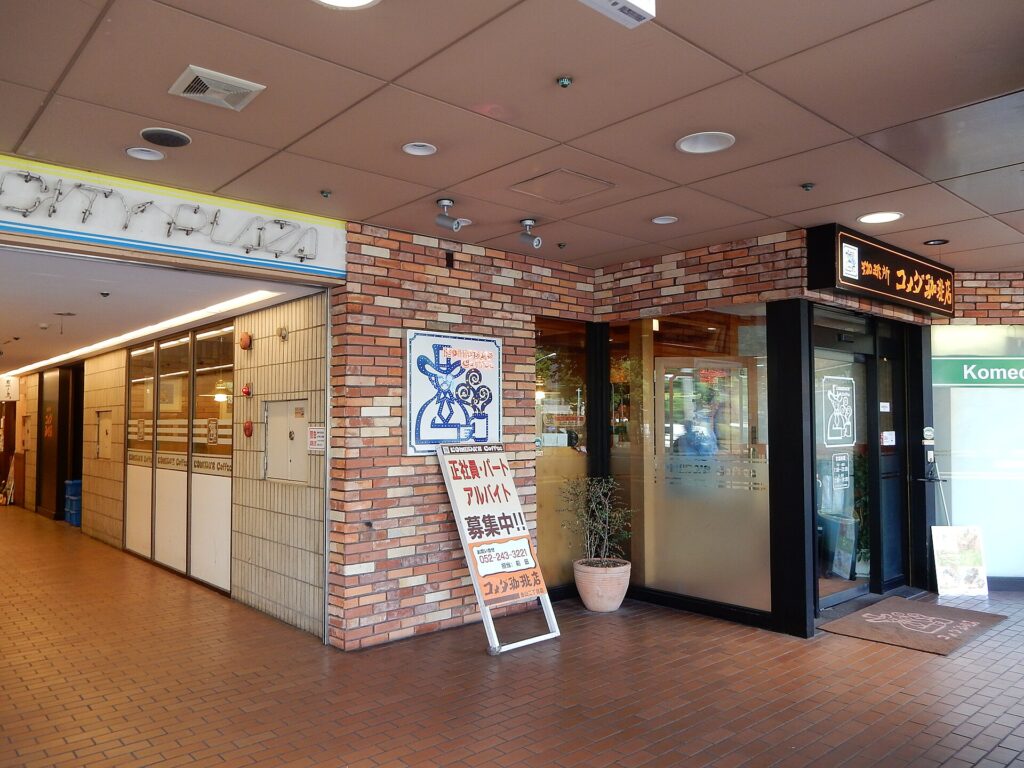
For a more traditional morning, look for a kissaten, the Japanese term often used for an old-style coffee shop. These places may have darker interiors, upholstered seating, carefully made coffee, and a menu that feels preserved from another era. The appeal is not nostalgia alone. A kissaten is often built around repeat customers and steady habits, which makes it especially well suited to morning service.
Modern cafés, bakeries, and chains may also offer breakfast sets, sometimes with a cleaner, faster format. There is nothing lesser about choosing them. A chain can be helpful when you want an easy menu, a predictable ordering system, or an early start. But if you have time, an independent shop reveals more of the local character behind the ritual: the particular bread, the house coffee, the regular who knows exactly where to sit.
Neither setting needs to become a scavenger hunt for authenticity. The better question is whether the place fits the morning you have. A quick coffee and toast before a train can be satisfying. So can an unhurried hour with no agenda beyond breakfast.
A small meal worth slowing down for
Nagoya morning service is easy to overlook because it is so ordinary. That is precisely its value. It is not a staged cultural attraction, but a practical custom that makes room for coffee, food, and a little time before the day gathers speed. Order what looks good, stay attentive to the room, and let the toast arrive on its own terms.
Keep exploring
- Why Japanese Addresses Don’t Work the Way You Think — and What to Do About It
- Iwate Prefecture in Two or Three Nights: Why This Overlooked Corner of Tohoku Deserves a Place on Your Itinerary
- The Castle That Explains Japan’s Whole Feudal System: Why Visiting Himeji Changes How You See Every Other Castle