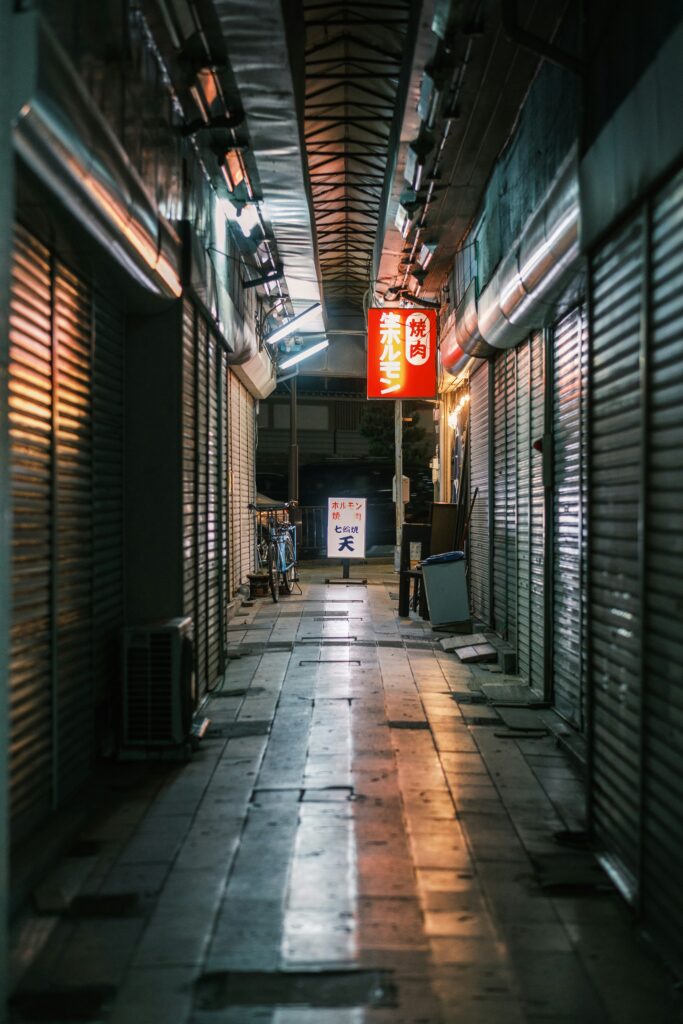
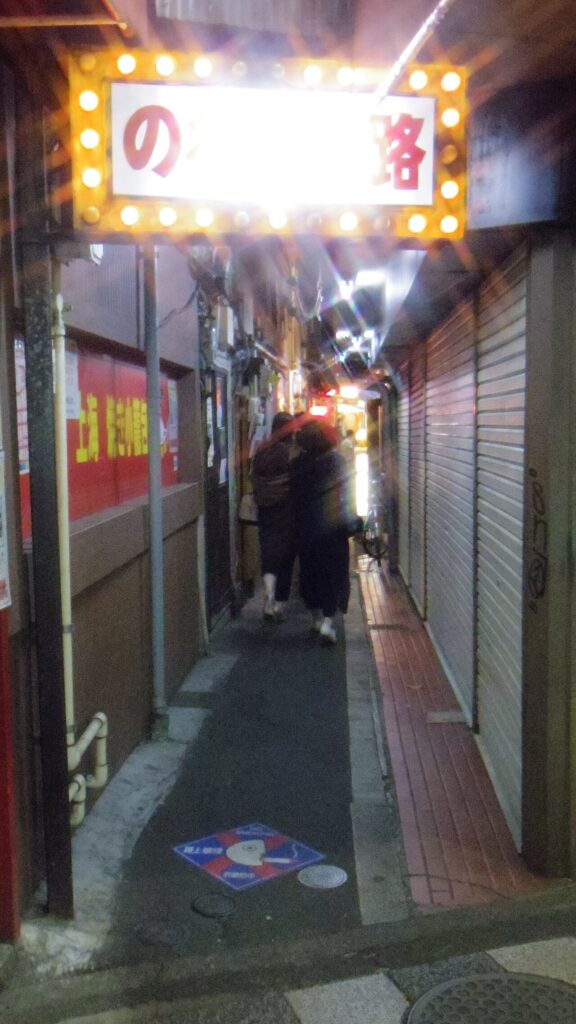
Most people pass through Onomichi without stopping. They see it from the Shinkansen window — a thin strip of old buildings pressed between a hillside and a narrow inland sea — and file it away as somewhere that looks interesting from a distance. That’s a reasonable mistake. Onomichi doesn’t advertise itself the way bigger cities do. There’s no single famous thing to see. No UNESCO badge. No line stretching around the block at 8am.
What it has instead is texture. The kind that takes an afternoon to find and an evening to appreciate.
What Onomichi Is and Why It Belongs on Your Route
Onomichi sits in Hiroshima Prefecture on the western end of the Seto Inland Sea, roughly halfway between Hiroshima city and Osaka. It’s about 40 minutes east of Hiroshima by local train, or around 20 minutes from Shin-Onomichi Station on the Shinkansen. From Kyoto, it’s a clean two-hour ride with one change at Fukuyama or Mihara.
That position makes it one of the better overnight stops on the central Japan corridor — the kind of place that solves the planning problem of breaking up a long transit stretch without adding complexity. You don’t need to book a lot. You don’t need to hire a car. You walk off the train, walk through the town, and walk up a hill. That’s essentially the whole programme.
The town is long and narrow, maybe a kilometre wide at its widest point, running along the waterfront. Behind it, a steep wooded hillside holds a tangle of old lanes, small temples, stone stairways, and wooden houses that lean gently against each other like books on an overfull shelf. The hill is where the real walking is.
The Temple Walk: Following the Stones Uphill
Onomichi has 25 temples within the town limits, which is an unusual concentration for a city this size. Many of them are connected by a walking path called the Senkoji Ropeway Trail or, more commonly, the Onomichi Temple Walk. The full route runs roughly 2.5 kilometres from the waterfront to the summit, threading between temple gates, mossy walls, and residential lanes so narrow that two people passing each other is a small negotiation.
The path isn’t marked the way a national park trail would be. You follow small stone markers, occasional painted arrows, and the general logic of going upward. Getting slightly turned around is normal, and it’s not a problem — every wrong turn leads somewhere that repays the detour.
Tenneiji and the View That Changes Your Sense of Scale
About a third of the way up, the path passes Tenneiji temple, a small compound with a stone garden that holds its silence even when visitors are present. Pause here long enough and the sounds of the town below — a delivery truck, the ferry horn, a school bell somewhere — arrive faintly, like sounds from another room.
Higher up, near Senkoji Temple at the summit, the view opens across the Seto Inland Sea to the islands beyond. On a clear morning, the light on the water is flat and pale. In late afternoon, it turns copper. The sea here is dotted with small islands connected by bridges and ferry routes, and the scale of it — the quietness of it — is genuinely hard to prepare for if you’ve spent your Japan trip in cities.
Cats, Lanes, and the Neighbourhood Beneath the Temple Walk
Onomichi is known in Japan for its cats. This sounds like a tourism gimmick but it isn’t — or at least, it wasn’t originally. The hillside lanes have long been home to a feral and semi-feral cat population that the town has largely coexisted with rather than managed away. There’s a small Cat Alley (Neko no Hosomichi) that runs along one of the lower hillside paths, where stone cat figures sit alongside real ones in various states of alertness.
The cats are not the point. But they are a signal. They indicate a neighbourhood where slow, informal life still happens — where someone has had time to care about cats, where lanes are too narrow for cars, where the pressure to modernize hasn’t overridden the instinct to leave things as they are.
Walk through here on a weekday morning and you’ll pass elderly residents hanging laundry, small vegetable gardens wedged into improbable spaces, and houses that appear to be held together partly by habit. It’s not a preserved historical district. People actually live here. That’s the difference.
The Waterfront: Where the Town Faces the Sea
Down at water level, Onomichi’s main street runs parallel to the ferry terminal and the narrow channel separating the town from Mukaishima Island. The architecture along here is a mixture of Showa-era shopfronts, old warehouses converted into cafés and small guesthouses, and a few buildings that appear to have been slowly absorbed by the hillside behind them.
The Onomichi U2 building — a converted maritime warehouse near the ferry terminal — houses a hotel, a bakery, a cycling shop, and a restaurant under one roof. It’s well-designed and worth a look, though it represents a slightly different Onomichi than the one on the hill. Both versions are real. They just belong to different eras of the same town.
The ferry to Mukaishima runs every few minutes and costs almost nothing. The crossing takes about three minutes. On the other side, the island is agricultural and residential, with almost no tourist infrastructure. Worth the crossing for the view back across the water to the Onomichi waterfront — a perspective most visitors never see.
Where to Stay and How Long to Spend
One night is the minimum. Two nights is better, especially if you want to walk the hill at different times of day, or cycle part of the Shimanami Kaidō, the famous island-hopping cycling route that begins just outside town.
If you’ve already explored some of Japan’s more overlooked regions — Tottori, for instance, rewards a similar kind of patient attention — Onomichi will feel like familiar territory: a place that gives more the slower you move through it.
Accommodation runs from small guesthouses in converted machiya townhouses on the hillside to a handful of mid-range hotels near the station. The hillside guesthouses are the better choice if you want to be inside the neighbourhood rather than adjacent to it. Some require a short climb to reach the front door, which is either a minor inconvenience or part of the experience depending on your disposition.
Book ahead if you’re visiting in spring (late March to mid-April) or autumn (November). The town isn’t overwhelmed the way Kyoto gets, but the better guesthouses fill up on weekends.
Getting There and Practical Notes
From Hiroshima: take the JR San’yo Line from Hiroshima Station to Onomichi Station. Roughly 70-80 minutes on the local, less on a rapid service. Covered by the JR Pass.
From Kyoto or Osaka: take the Shinkansen to Fukuyama, then switch to the local San’yo Line for about 20 minutes to Onomichi. Alternatively, Shin-Onomichi Station is a Shinkansen stop — it’s slightly outside town, so a local train connection or taxi is needed to reach the waterfront.
The temple walk is free to walk, though individual temples may charge a small entry fee (typically ¥300-500). Wear shoes with grip — the stone paths are uneven and can be slippery after rain. The ropeway to the summit is an option if you’d rather descend on foot than ascend, which makes the walk considerably easier on the knees.
There’s no real need for a transit card beyond what you’d use on the trains — though having a loaded IC card makes small purchases around town, including vending machines and the ferry, effortless. Onomichi is a walkable town by design. Leave the navigation app in your pocket where you can.
What Onomichi Is Actually For
Onomichi has appeared in Japanese literature and cinema more than almost any other small city its size. The director Yasujiro Ozu filmed here. Several novels are set here. There’s a literary trail that connects spots mentioned in works by local and visiting writers — small plaques set into walls and pavements, easy to miss if you’re not looking.
This matters not as a sightseeing category but as context. A place that writers and filmmakers return to is usually a place where something true about ordinary life is visible. In Onomichi, that thing is the relationship between the town and its topography — the way the hill has preserved a kind of daily life that flatter, more accessible towns lost decades ago. The lanes are too steep for development. That inconvenience turned out to be a kind of protection.
Walking those lanes in the early morning, before the day has fully decided what it wants to be, you pass a woman sweeping her front step, a cat on a wall, a temple gate that’s been there for three hundred years. Nothing announces itself. Nothing performs. The town is just going about its business, the same way it has for a long time, and for a few hours you’re going about yours alongside it.
That’s what the overnight stop is for.