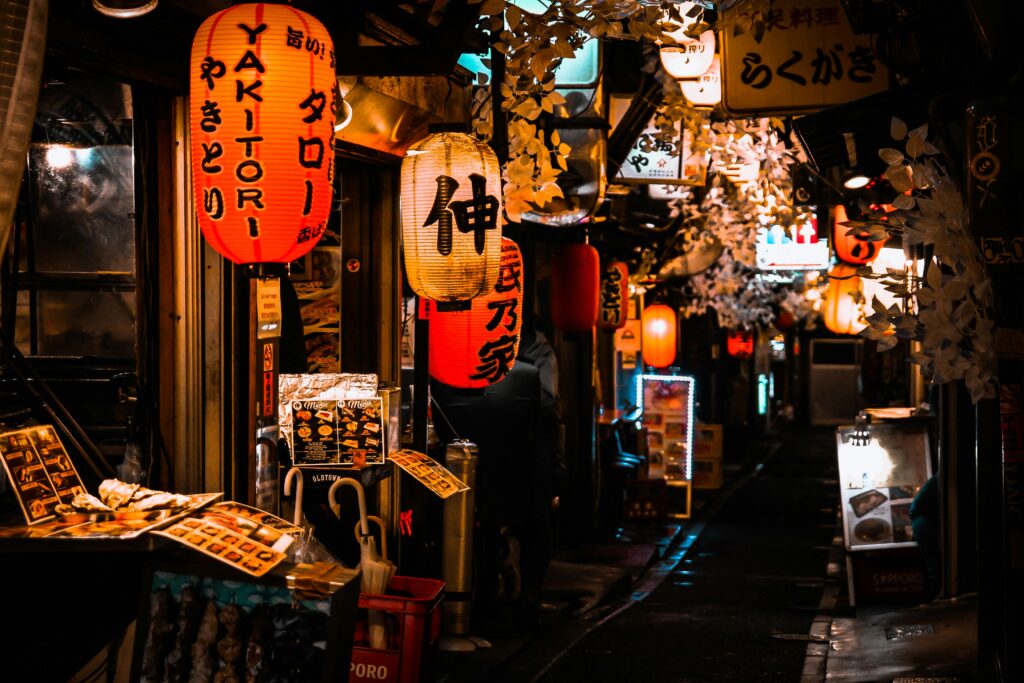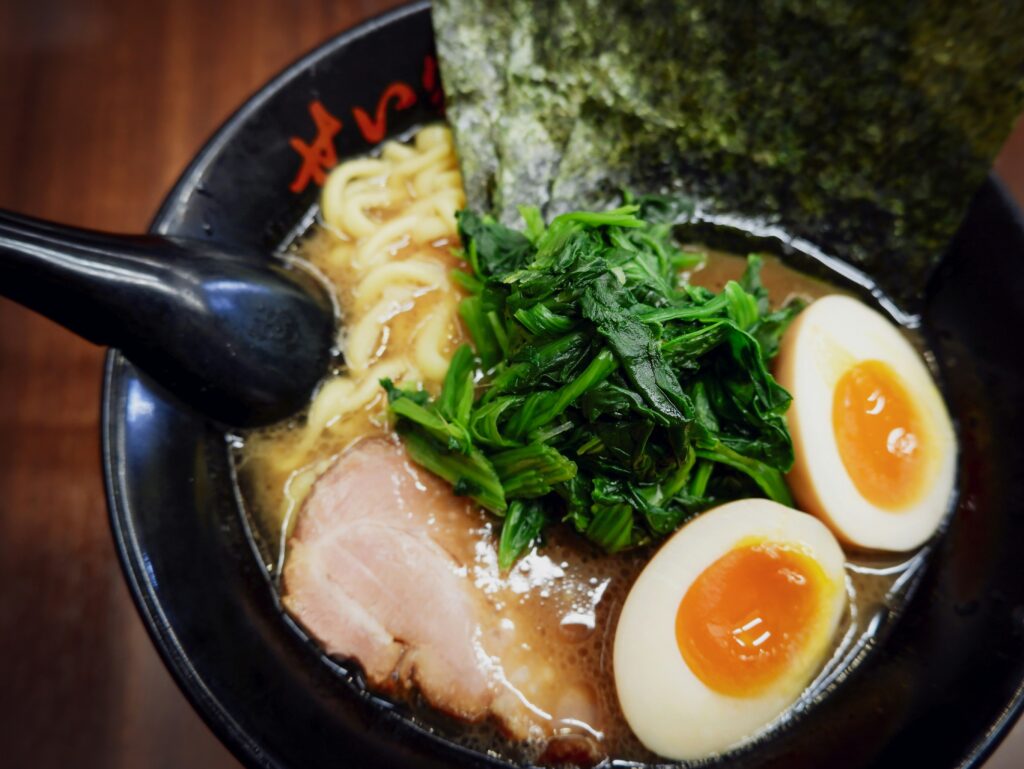
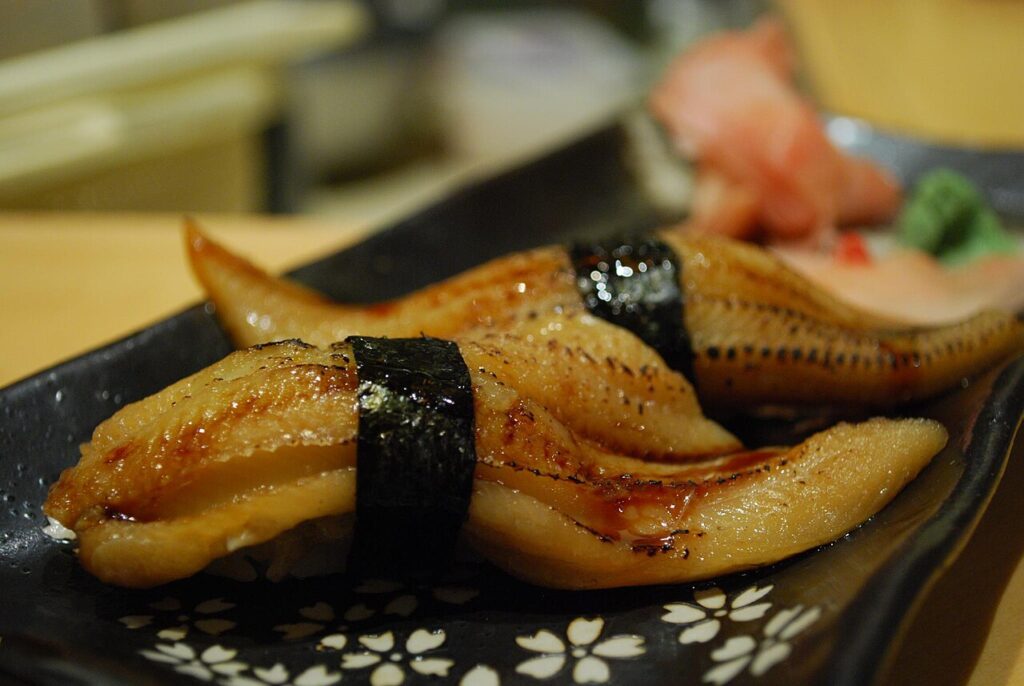
There’s a particular kind of counter in Japan that most visitors walk past without a second thought. It’s narrow — sometimes just wide enough for a bowl and a pair of chopsticks — and it faces a wall, or a window, or sometimes just a row of small wooden dividers. The person sitting there eats alone, quietly, without a phone in their hand. They finish, they leave. The whole thing takes maybe twelve minutes.
This is hitori meshi: eating alone. And in Japan, it isn’t something people apologize for.
A Different Relationship With Eating Alone
In many Western cultures, eating alone in a restaurant still carries a faint social awkwardness. You might feel the need to look busy, to scroll through your phone, to signal to the room that you’re waiting for someone. Japan largely doesn’t have this problem, and understanding why reveals something fundamental about how the country thinks about food, time, and individual space.
Solo dining isn’t a modern trend in Japan. It’s been woven into daily life for generations, particularly through the lunch culture of urban workers. The concept isn’t about loneliness. It’s about efficiency, focus, and a quiet kind of respect — for your own time, and for the meal itself.
Restaurants here have been designed around this reality for decades. Ramen shops with counter seating. Gyudon chains where you order from a tablet and your bowl arrives in under three minutes. Standing soba bars where you eat in five minutes and move on. These aren’t sad compromises. They’re thoughtfully engineered experiences built around the idea that a meal can be complete, satisfying, and dignified even when you eat it alone.
The Architecture of the Solo Meal
Pay attention to the physical design of Japanese solo-dining spaces and you start to notice how much care goes into them. The counter height is almost always perfect for eating — not too high, not too low. The space between you and the next person is narrow but not uncomfortable. There’s often a small hook beneath the counter for your bag. The menu, if there is one, is usually laminated and propped at eye level so you don’t have to hold it.
Some ramen shops have introduced individual wooden partitions between counter seats — a design originally associated with the ichiran style of dining, where you fill out a small form with your ramen preferences, slide it through a bamboo curtain, and receive your bowl from an unseen hand. The idea is total focus on the food. No small talk. No eye contact. Just the bowl in front of you and the sound of the broth.
This might sound extreme to someone used to communal dining. But spend a week in Japan eating this way and it starts to feel almost meditative. You notice the texture of the noodles more. You taste the difference between two shops’ tare. You eat at your own pace without managing a conversation at the same time.
What the Gyudon Counter Reveals
Few places demonstrate Japan’s solo dining culture as clearly as a gyudon chain at noon. Walk into a Yoshinoya, Sukiya, or Matsuya on a weekday lunch break and you’ll find a room full of people eating alone, side by side, in near silence. Salarymen in suits. Construction workers. University students. Office workers who probably have a desk lunch meeting in twenty minutes.
The bowl in front of them — thin-sliced beef simmered in a sweet soy broth, served over rice — costs around 400 to 500 yen. It arrives in less than ninety seconds. Nobody is performing enjoyment. Nobody is taking a photo. They’re just eating, and there’s something quietly impressive about a country that has built an entire category of restaurant around the premise that a fast, affordable, solitary meal is a legitimate and worthwhile part of the day.
Gyudon itself has a longer history than the chains suggest. Beef and rice dishes were popular in Tokyo in the late Meiji era, served at simple stalls to workers who needed a filling meal quickly. The modern chains industrialized that tradition, but the spirit is the same: good food, no fuss, back to work.
The Standing Bar and the Lunch Hour
Even more compressed than the gyudon counter is the tachigui tradition — standing while eating. Standing soba and udon shops are common near train stations across Japan, particularly in Tokyo. You order at a machine, hand over your ticket, and receive a bowl of hot noodles within a minute or two. You eat standing at a narrow shelf along the wall or window. Then you go.
The broth at these places is rarely the most refined you’ll find. That’s not the point. The point is the ritual: a warm, savory bowl to anchor the middle of a busy day. Regular customers often have a standing order so ingrained that no words are exchanged at all — they hand over their ticket and the cook already knows.
There’s something about these small, repeated rituals that quietly defines daily life in Japan — the kind of thing you notice if you slow down enough to pay attention. Much like The Quiet Ritual of Japan’s Neighborhood Notice Boards (and What They Actually Tell You), the standing soba bar is easy to overlook, but it tells you more about how Japan actually functions than any famous landmark.
Solo Dining in Regional Japan
The solo dining culture isn’t limited to Tokyo’s rush-hour counters. Travel to smaller cities and you’ll find it expressed differently but just as clearly. In Yamagata, a set lunch at a small shokudo — a basic Japanese diner — might be a bowl of warm soba, a small dish of pickles, and a cup of barley tea. The room holds maybe eight seats. The owner is also the cook. You eat alone at a table by the window while she moves quietly behind the counter.
In these regional shokudo, the solo meal takes on a different quality. It’s slower. There might be a brief exchange about the weather, or whether you’ve tried the local soba variety before. But the fundamental premise is the same: you came to eat, the food deserves your attention, and nobody expects you to perform sociability you don’t feel.
This kind of quiet, unhurried lunch is part of what makes slower parts of Japan so restorative. If you’re curious about the towns where this pace of life still runs deep, the Yamagata’s Mogami River Towns: The Slow-Moving Japan That Tourism Forgot piece captures it well.
Practical Notes for Eating Alone in Japan
If you’ve never eaten solo at a Japanese counter before, a few things are worth knowing.
- Ticket machines (ken-bai-ki) are common at ramen shops, gyudon chains, and standing noodle bars. Insert your money, press your choice, and hand the ticket to the staff. Most machines now have English options or photo buttons.
- Counter seating is typically first-come. Sit where you like unless there’s a clear indication otherwise.
- You don’t need to make conversation. A quiet itadakimasu before eating and gochisosama deshita when you leave are enough — and genuinely appreciated.
- Slurping noodles is perfectly acceptable. It’s not rude; it’s practical and signals that you’re enjoying the food.
- Don’t linger too long at counter seats during peak lunch hours, especially in busy urban shops. Eat, appreciate, move on.
What It Means to Eat This Way
Japan doesn’t treat solo dining as a lesser version of sharing a meal. It treats it as its own valid form of eating — one that has its own customs, its own architecture, its own etiquette. That distinction matters, because it reflects a broader cultural attitude: that being alone doesn’t require explanation or apology, and that small daily pleasures deserve to be taken seriously regardless of whether anyone else is watching.
The bowl of ramen you eat alone at a counter at 12:15 on a Tuesday, with rain running down the window beside you and the sound of broth simmering somewhere behind the wall — that’s not a lesser experience. In Japan, it might be the whole point.