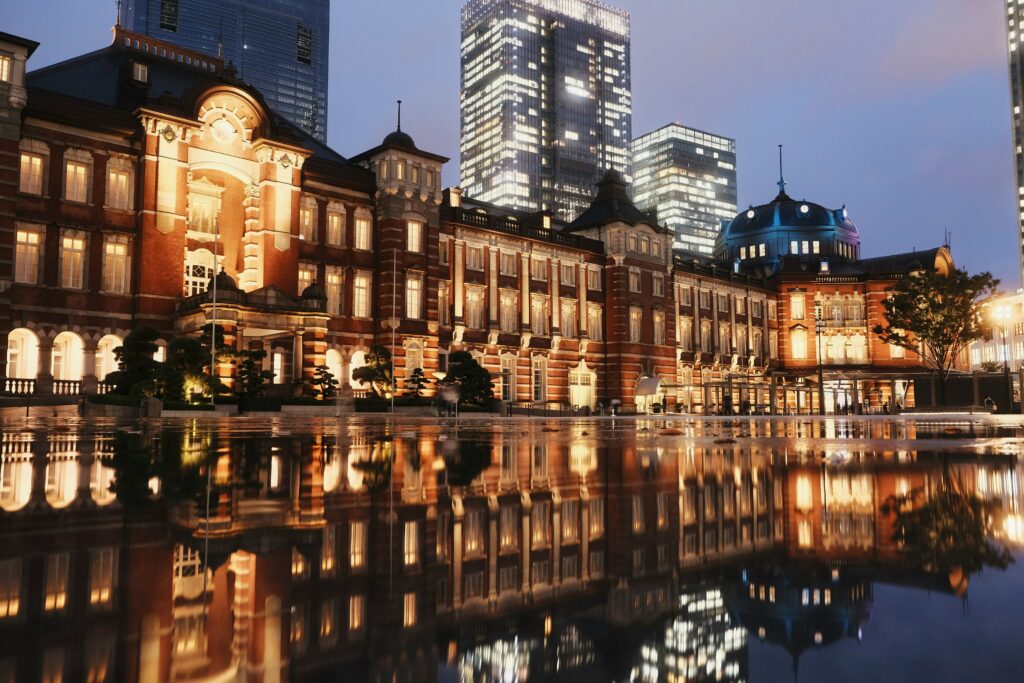
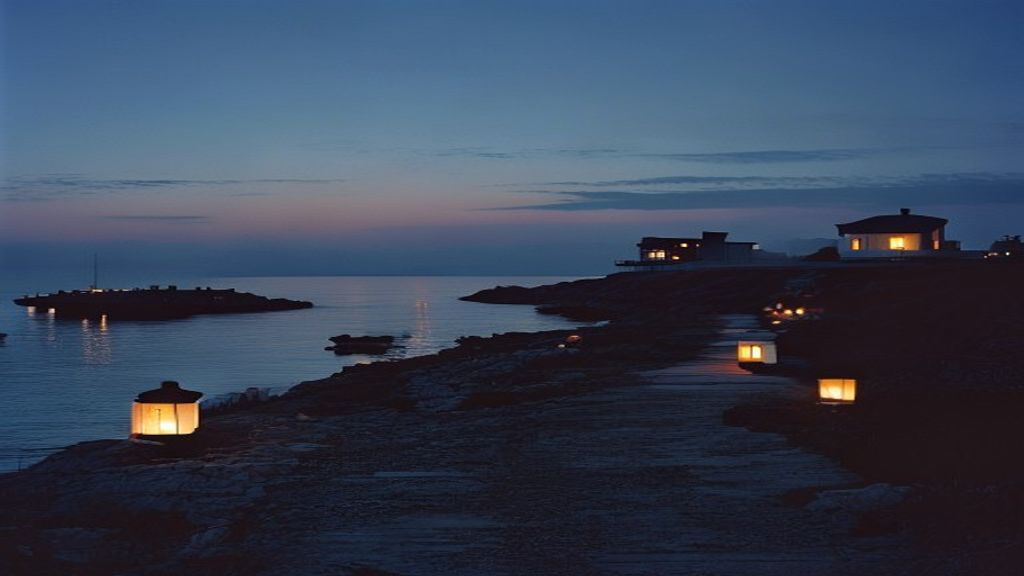
The ferry slides into port as the sun goes down, and for a moment the island stops being a postcard and starts being an actual place. The concrete shell of the Chichu Museum glows like something that was meant to be there all along, not assembled for your Instagram. A handful of guests are dragging suitcases along narrow lanes; someone lights a cigarette behind a guesthouse and then folds it away like a private ritual. You can feel Naoshima breathing in the gap between scheduled tours.
I fell for Naoshima the same way people fall for an author after reading one sentence: by accident and with a stubbornness that made me stay. Day-trippers arrive with earnest schedules and leave with photos and pressed-for-time apologies. Overnight, the island offers what the guidebooks pretend exists — quiet rooms of the museums after closing, a coastline to yourself at dawn, and art that actually changes when the crowds leave.
Why Naoshima Rewards an Overnight (and who loses by day-tripping)
The appeal of Naoshima (直島) is not just the installations and white-walled museums; it’s the way the place rearranges its rhythms after the last ferry. If you only come for a day, you’ll see the highlights: Yayoi Kusama’s pumpkins, the red steel of the Art House Project, the Chichu exterior. You will also be shuffled through on tight schedules, pose by the seaside pumpkins, and then be shepherded out at 4:30 when the next ferry crowd rolls in. The island’s quieter hours — the hours when art becomes something you inhabit rather than photograph — belong to overnight visitors.
Staying overnight matters practically too. Timed-entry exhibits (Chichu Museum, Lee Ufan Museum) are easier to book into when you’re not trying to sync with a mainland train. The island bus runs infrequently in the evening, and taxis are limited. In short: if you want the art to talk back to you, don’t treat Naoshima like a pit stop.
How to Get There: Ferries, schedules, and why timing matters
Getting to Naoshima (直島) is straightforward but unforgiving if you miss the rhythm. Ferries run from Uno and Takamatsu; Uno is closer, Takamatsu gives you more transport options. Ferries have regular daytime runs but taper off in the evening, which is why planning your arrival and departure times is the difference between wandering the streets at dusk and being stuck on the mainland watching the lights of the island recede.
If you want the convenience of buying ferries and island transport at once, consider booking the Naoshima ferry tickets & island bus pass — it saves time, and on a busy weekend that matters. If you need a place to land before or after your island night, compare options in the Takamatsu / Uno area: Takamatsu / Uno area hotels for arrival or last night.
The ferries don’t care you’ve had a long trip; they leave on time and with perfect indifference.
| Route | Typical frequency | Duration |
|---|---|---|
| Uno — Naoshima | every 20–40 min daytime | ~20 min |
| Takamatsu — Naoshima | hourly | ~50–60 min |
Arrive with a cushion. If you plan to catch a late museum slot, factor in the last return ferries. Overnight removes that stress entirely.
Where to Sleep: Benesse House, guesthouses, and choosing the right base
Where you sleep on Naoshima determines what the island will let you feel. Benesse House is the island’s obvious dream: part museum, part hotel, where rooms open onto curated sightlines and some exhibits are literally in the lobby. Book early — both for accommodation and the timed-entry museum tickets — via Benesse House Museum & accommodation tickets (combo options). If Benesse is out of budget or sold out, there are simple guesthouses and ryokan-style stays that offer a quieter, more local rhythm; compare Benesse and alternatives here: Benesse House (and other Naoshima hotels/guesthouses) on Booking.com.
Choose your base by what you want from the island. If you want the luxury of late gallery returns and curated on-site access, Benesse is the point. If you want to wake to fishermen and a kettle, pick a guesthouse near Miyanoura. Either way, reserve in advance — Naoshima fills up predictably.
48 Hours on Naoshima: A practical, museum-first itinerary
Day 1: Aim for a morning ferry. Drop bags, head straight to the Chichu Museum or Lee Ufan Museum on a reserved time slot, then walk the Art House Project neighborhoods while mid-afternoon tours clear out. Sunset at the Seaside Pumpkin is less crowded if you linger after the late ferries leave. Day 2: Early morning coastal walk, a coffee at a small cafe, the Benesse collection at leisure. If you want a guided orientation, consider booking a Naoshima guided art island tour (half-day/full-day) — useful if this is your first visit and you want historical context without reading placards.
Tickets and passes: buy timed-entry museum tickets in advance for Chichu and Lee Ufan; smaller sites sometimes sell entry at the door but don’t expect spare slots on weekends. For combined convenience, third-party platforms often sell ferry-plus-bus passes and timed tickets; look for package options when you book.
What to pack for island nights: bring layers for wind and sudden drizzle, comfortable shoes for stairs and concrete paths, and a camera with decent battery life. For gear, I recommend a lightweight waterproof daypack (Amazon Japan travel gear) for walks around installations, a portable battery pack / power bank to keep your phone and camera going through long museum days, and a compact travel tripod / smartphone stabilizer if you care about low-light shots at dusk. Pack minimally; the island rewards attention, not a lot of luggage.
The Thing No Guidebook Says
Tourist writing loves to tell you where to stand and when to go. They don’t tell you what the island will do if you stay. Naoshima softens its edges at night. The concrete buildings stop being monuments and become rooms in a small, strange village; museum guards become hosts rather than gatekeepers; the sea reclaims the space between installations and memory. You’ll overhear conversations in the guesthouse about artists and ferry timetables, and you’ll realise those conversations are the real cultural work of the island — the slow making of meaning that doesn’t survive a single-day layover.
If you must do a day trip, go. But if you want the island to give you anything besides a photo, stay the night.
oyasumi (お休み)