Short answer: choose the ryokan’s kaiseki dinner when you’re in an onsen town or rural area, want a slow seasonal meal, and can comfortably eat a broad range of Japanese dishes. Head out to nearby restaurants when you’re in a city or large town with options, have strict dietary needs, prefer a later or simpler meal, or want to explore local nightlife. The key is booking the right plan—dinner included or room-only—and confirming any dietary needs in advance.
This decision isn’t only about food. It’s about how you want the evening to feel: quiet and curated, or open-ended and improvisational. Understanding what kaiseki at a ryokan actually means makes the choice easier.
What a Ryokan Kaiseki Actually Is
At a traditional inn, dinner is hospitality expressed course by course. Ryokan kaiseki draws on the tea ceremony’s seasonal sensibility and a chef’s reading of local produce. A typical sequence might include a small starter to set the tone, sashimi if fresh fish is available, simmered or grilled plates, a steamed dish, a palate-cleansing vinegar course, then rice and miso soup near the end, with a light dessert to close. Portions are modest but cumulative; pacing is deliberate.
The menu centers on seasonality (shun) and locality. Mountain inns lean into river fish, wild plants, and hearty simmered dishes. Coastal areas often highlight shellfish and sea bream. Presentation matters: colors mirror the season; ceramics and lacquerware change with the course. The meal becomes a quiet education in a region’s foodways rather than a parade of familiar “greatest hits.”
Service varies. Some ryokan still serve in-room on low tables; others use private or semi-private dining rooms. Sitting on tatami is common, but many places can provide chairs on request. Start times are set in the early evening—earlier than typical city dinners—and punctuality helps the kitchen pace hot and cold dishes correctly. Expect an unhurried rhythm designed to match the calm of a bath-and-rest evening.
When Eating In Makes Sense
Choosing the ryokan dinner makes the most sense when the inn itself is the focus of the night. After a bath, a fixed-time, multi-course meal removes decision fatigue and travel time. The evening becomes a contained rhythm: soak, dine, rest.
- Rural and onsen towns: Outside major cities, options can be limited or spread out. In smaller hot spring resorts, kaiseki often connects you to the local catch or harvest in a way a generic restaurant might not.
- Travelers seeking quiet: If the day was long, not leaving the inn has value. Courses arrive without rush, and there’s no need to navigate reservations or menus after dark.
- Cultural context: Kaiseki reflects regional craft—ceramics, lacquer, seasonal leaves as garnish—so dinner functions as a small museum of local aesthetics.
- Families and multigenerational groups: A private room or in-room service lets everyone eat at one pace. Some ryokan can prepare smaller portions for children if asked in advance.
For travelers planning a hot spring escape from Kanazawa, weighing destinations like the Noto coast or Kaga’s historic bath towns, this dinner decision often shapes the stay itself. See also: Choosing Between Noto Peninsula and Kaga Onsen from Kanazawa.
When Going Out Makes More Sense
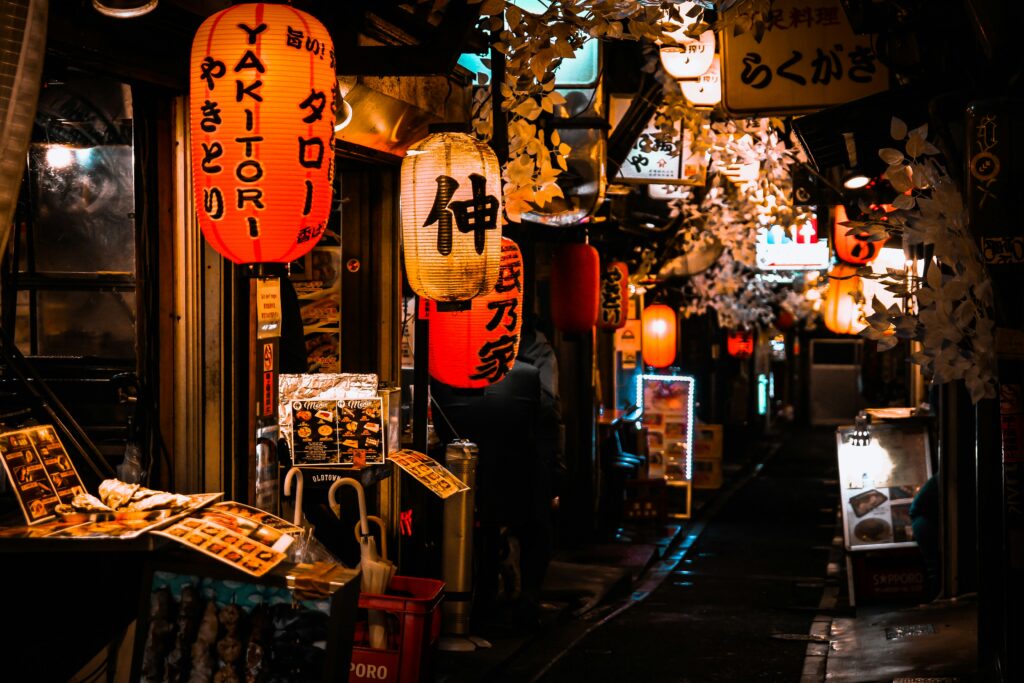
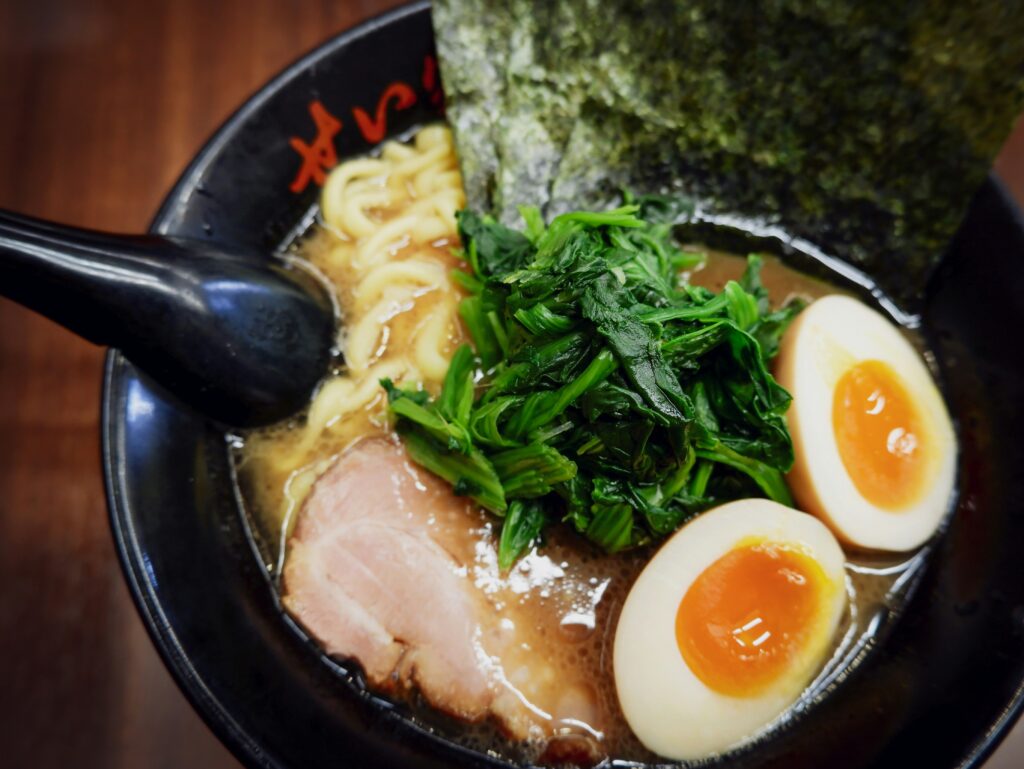
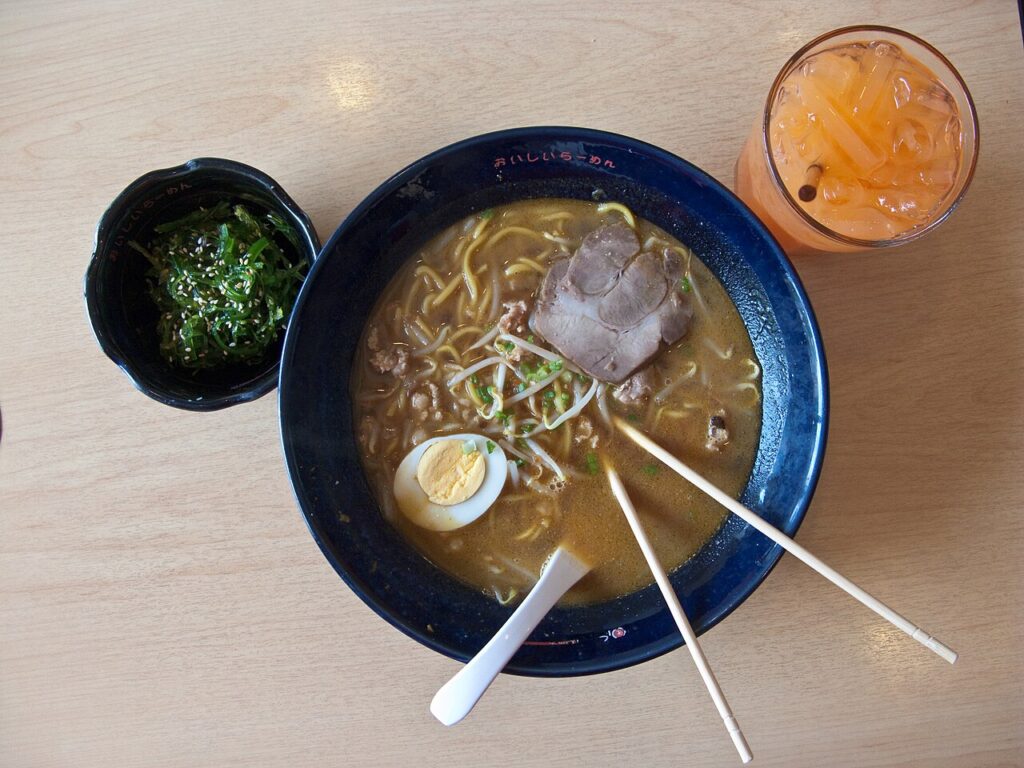
City stays rewrite the equation. In Tokyo, Kyoto, Osaka, Fukuoka, Sapporo, and other hubs, dinner becomes a nightly experiment—ramen counters, yakitori alleys, soba shops, izakaya, and small contemporary kitchens. If curiosity pulls you outward, follow it.
- Dietary restrictions: Many ryokan can accommodate some needs when told in advance, but full vegan meals, strict halal or kosher requirements, or severe allergies can be difficult. Restaurants specializing in your needs may be easier to find in larger towns.
- Late eaters: Ryokan dinners start early and follow a set pace; city restaurants run later and offer a more flexible start time.
- Budget control: Half-board rates bundle dinner and breakfast; eating out lets you scale costs—from a bowl of noodles to a casual izakaya—on your own terms.
- Variety over several nights: If you’re booked for multiple evenings, taking kaiseki once and exploring nearby places on other nights preserves novelty.
What It Costs—and What You’re Paying For
Ryokan pricing can be confusing at first glance. Many stays are sold per person and include dinner and breakfast. Others are room-only or breakfast-only. The dinner-included rate reflects more than ingredients: private space, staff time, tableware, and the orchestration required to serve multiple courses in sequence.
If a dinner-inclusive plan is booked, canceling the meal on the day rarely changes the price. Some inns allow switching to room-only in advance if the date is still far off; this depends entirely on the property and plan. If there’s uncertainty, consider booking a plan without dinner and requesting it for a specific night if offered as an add-on. Last-minute add-ons may not be possible during busy seasons because of sourcing and prep.
Breakfast matters, too. Japanese-style breakfasts at ryokan are often substantial—grilled fish, eggs or tofu, pickles, rice, miso soup, perhaps a small nori sheet or natto. Even travelers who skip dinner occasionally choose to keep breakfast in, then explore local restaurants in the evening.
How to Decide: A Practical Framework
1) Where You Are
- Remote onsen village or small town: Lean toward the ryokan dinner. Walking options may be few, and the local story is often told best at the inn’s table.
- Major city or transport hub: Lean toward going out, unless the inn is known for its cuisine and that’s the purpose of your stay.
2) Timing and Logistics
- Arrival time: If arriving close to or after the inn’s dinner start, the kitchen may not be able to serve the full menu. Inform the ryokan ahead if arrival will be late.
- Evening plans: Public baths, a night walk, or a festival? A fixed-time kaiseki is hard to compress. Eating out gives more flexibility.
- Next morning: If breakfast is a highlight for you, consider keeping at least breakfast in the plan.
3) Diet and Communication
- Restrictions and preferences: Many broths use fish-based dashi; soy sauce often contains wheat; meat or seafood may appear as garnish. Communicate needs clearly and well in advance.
- Portion size: If smaller portions are preferred, ask politely at check-in. Some inns can adjust; others cannot.
- Alcohol: Inns usually serve sake, beer, and soft drinks. Bringing outside alcohol is often restricted; check house rules.
On multi-night stays, a blended approach works well. Book one night with kaiseki to experience the region through the inn’s lens, and leave another night open to explore nearby counters and small restaurants. Clarify the plan when booking so the kitchen can shop and prep accordingly and to avoid waste.
Etiquette That Shapes the Meal
Ryokan meals sit within a broader etiquette aimed at comfort for guests and staff alike. None of it is arcane, but a few points help the evening flow.
- Dress: Wearing the provided yukata to dinner is common and acceptable. Tie the left side over the right, and use the light jacket if provided.
- Shoes: Remove them before entering tatami rooms. Indoor slippers, if any, stay off the mats too.
- Pacing: Courses arrive in order. Try a bit of each dish; rice and miso soup often appear toward the end. If full, it’s fine to leave some food; avoid rearranging plates to hide leftovers.
- Soy sauce and wasabi: Use lightly, especially with delicate fish. The kitchen has already seasoned most dishes.
- Drinks: Sake pairs naturally with many courses, but water is always fine. There’s no expectation to drink alcohol.
- Tipping: Not customary. A simple “gochisousama deshita” (thank you for the meal) is appreciated.
- Noise and phones: Keep voices low. If photographing, be discreet and avoid delaying hot dishes.
- Allergies: Reconfirm at check-in. Staff may reiterate what will be served to keep you safe.
If baths are part of the stay, many guests bathe before dinner to relax and avoid rushing. Towels generally stay in the room; bring only a small hand towel if needed, and expect separate men’s and women’s areas unless otherwise noted. Tattoo and other bath-related policies depend on the property or public bathhouse rules.
What This Choice Reveals About Japan
Inns and restaurants approach hospitality from different angles. Kaiseki at a ryokan is choreography—season, region, and timing aligning in a private space. Eating out is improvisation—streets, signs, and the rhythm of a neighborhood guiding the night. Both are ways into Japan’s food culture. The worthwhile question isn’t which is better, but which story you want to live that evening: the one told to you carefully, or the one you assemble as you go. Either way, the country reveals itself in what’s on the plate and in how people take care to serve it.