If based in Kanazawa for two nights, the short answer is this: choose the Kaga onsen towns for a simple, restorative day with straightforward transport and time for bathing and local crafts; choose the Noto Peninsula if a longer day on the road and a taste of fishing villages and rugged coastlines feel worth the effort. Both sit within Ishikawa Prefecture, but they ask for different kinds of travel energy.
The quick choice from Kanazawa
Each option rewards a different pace. Use this as a clear starting point.
- Pick the Noto Peninsula if broad skies, working harbors, and small community life matter more than checking sights off a list. Expect distances and slower connections; a rental car helps. The experience is dispersed but revealing.
- Pick Kaga Onsen (Yamashiro, Yamanaka, Katayamazu) if you want an easy rail hop, walkable districts, and the rituals of bathing and craft studios. The experience is compact and restful.
With two Kanazawa nights, Kaga fits neatly into a half or full day. Noto can be done as a long day, but it’s stronger with an early start and realistic goals—or saved for a future overnight when time allows.
Noto Peninsula: satoumi, craft, and patient travel
Noto is often described through the lens of satoyama and satoumi—the managed mosaic between mountain, field, and sea. This is where fisheries, rice paddies, forest plots, and small hamlets interlock. The peninsula’s identity grows from that relationship rather than from any single landmark.
Expect modest fishing towns, local markets on certain mornings, and workshops where skills have passed quietly through generations. In the north, traditional salt production still survives in places; on the west coast, terraced paddies meet the sea; lacquerware has long histories in some communities. These are not theme-park versions of rural Japan, and that is the point. The draw is everyday life and the humility of craft.
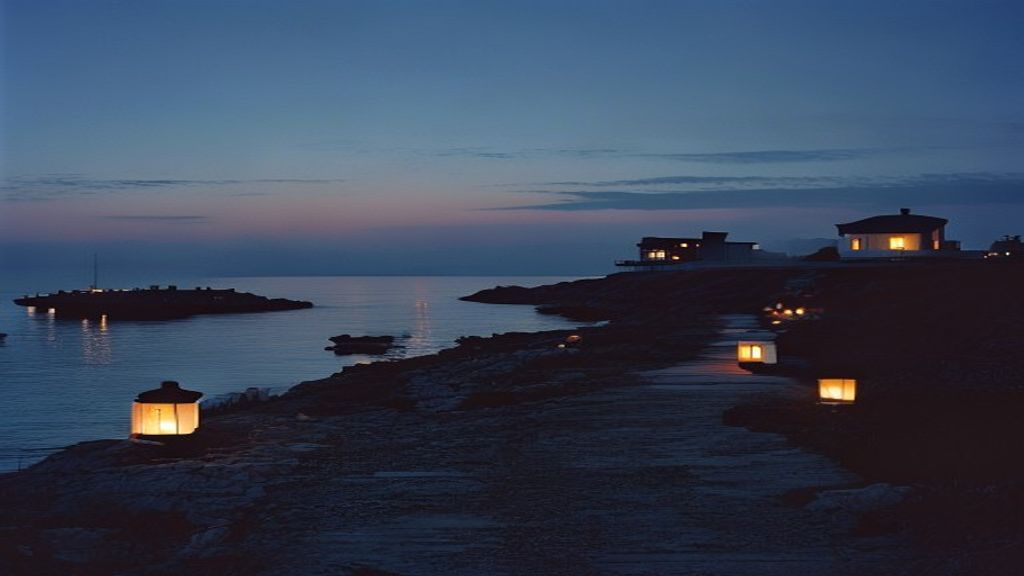
Travel here prioritizes attention over speed. Public buses do run along portions of the coast, but timetables are infrequent once beyond the urban edge. A rental car opens far more possibilities, though drivers should be ready for narrow lanes and coastal weather that can shift quickly. In winter, seas can be rough and winds strong; on calm days the horizon expands in a way you remember long after the map is folded.
Etiquette is simple: treat harbors, fields, and roadside shrines as places of work and worship. Ask before photographing people. Step aside for small trucks moving crates of fish or farm supplies. Buy something small when lingering near a market stall. Kindness carries farther than perfect Japanese.
Parts of Noto continue to recover from the 2024 earthquake. Conditions change, and some roads, facilities, or businesses may be limited. Plans still come together, but they come together best with flexibility and up-to-date checks from official sources at the time of travel.
Kaga Onsen towns: bathing culture and craft in reach
South of Kanazawa, three hot spring towns sit within easy reach. Each has a character shaped by water and craft rather than spectacle.
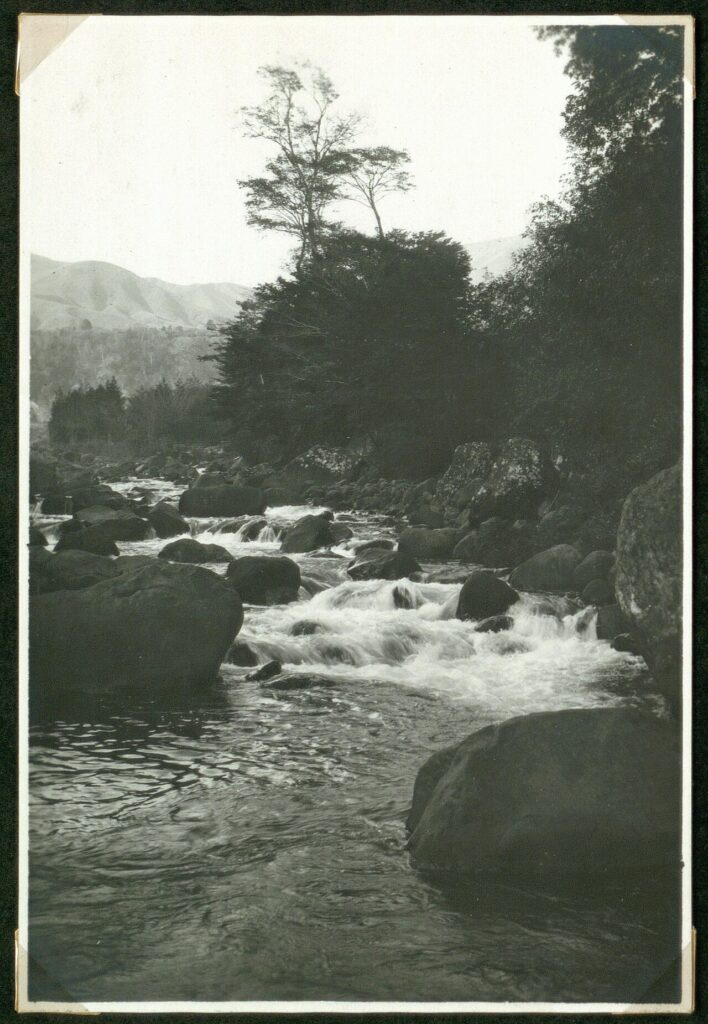
Yamashiro grew with communal bathhouses and a ceramics tradition linked to nearby Kutani ware. Streets often center on a public bath and small eateries, with studios tucked into side roads. Yamanaka stretches along a river gorge known for maple in autumn and a cool canopy in summer; woodturning and lacquerware from this area have a reputation for fine detail. Katayamazu lies by a lakeside, quieter and open to sky and water. None require a long list of “musts.” The rhythm is slow: soak, stroll, snack, look in on a workshop, and perhaps soak again.
Bathing etiquette matters more than planning the perfect itinerary. A few reminders keep the water welcoming for everyone:
- Wash and rinse thoroughly before entering the bath. The shower area is for cleaning; the tub is for soaking.
- Bring only a small towel; it stays out of the water. Phones and cameras do not belong in bathing areas.
- Speak softly, especially in the evening. If tattoos are a concern, some facilities allow private bathing or daytime visits—check before going.
Food often follows the season: mountain vegetables in spring, river and sea fish when available, rice and mushrooms in cooler months. Even without booking an elaborate meal, simple lunches near stations or bathhouses can be quietly satisfying. Crafts are at the surface here; a short studio visit can clarify techniques that otherwise appear ornamental in museum cases.
Logistics from Kanazawa without friction
Both directions are close on the map, but the feel of the journey is different. Think in terms of reliability and reach.
Noto transport notes
Once beyond the outskirts of Kanazawa, services thin out between towns. Buses connect key coastal points and local hubs, but intervals may be long and last departures early, especially outside peak seasons. For wider coverage, consider renting a car at Kanazawa Station, then planning a loop that favors either the southern coast or a single northern goal rather than trying to do everything. Coastal driving rewards patience: expect slower speeds, pullouts to let locals pass, and occasional weather that asks you to pause plans rather than push them.
Facilities can be spread out. Fuel, ATMs, and food options cluster in larger towns; plan stops before they’re urgent. If traveling in winter, expect the possibility of snow inland and spray along seafront routes. After the 2024 earthquake, road conditions and opening statuses shift; verify details close to your travel day.
Kaga transport notes
Kaga Onsen Station anchors the area and connects by local buses and taxis to the three hot spring towns. This makes a day trip simple: one rail ride, a short transfer, then streets that welcome walking. Trails near river gorges can involve stairs, damp stones, and wooden bridges; footwear with grip is more important than style.
Payment systems vary. Some rural buses accept IC cards, others prefer small change; carrying coins avoids friction. In stations and on sidewalks, yellow tactile paving guides those with low vision; knowing how to read the blocks helps everyone share space. If new to the system, this guide is useful: Japan’s Yellow Tactile Paving: How to Read Tenji Blocks—and Share the Path.
How to use two Kanazawa nights well
Time is the real currency. With two nights in one city, energy and logistics decide the winner more than any highlight list.
- For an easy, balanced day: head to Kaga Onsen. A morning rail ride, a soak, a simple lunch, and a craft visit still leave daylight for a gorge stroll or a second bath. Returning to Kanazawa for evening dining is straightforward.
- For a day that trades simplicity for breadth: aim for the Noto Peninsula. Choose a focused slice—such as a string of coastal viewpoints or one town with a market or craft—and commit to a longer day. If reaching the far north, consider that it will feel like a road trip rather than a standard day trip.
If the weather turns rough, Kaga is the steadier bet. If skies are clear and curiosity leans toward how coastal communities work, Noto pays back the extra planning. Neither choice is wrong; they just emphasize different sides of Ishikawa.
Culture, impact, and small courtesies
Travel choices shape places, especially where populations are aging and businesses are family-run. In Noto, consider small purchases from markets, workshops, or roadside stands—cash where possible. Give fishing crews space at dawn and dusk. If invited to taste something, accept or decline politely, then move aside so transactions can continue.
In the onsen towns, remember that the bath is a communal space designed for rest. Keep voices low in changing rooms, rinse benches after use, and dry off before stepping back into common areas. If staying only for the day, a short coffee or sweet in a local café keeps money in the town you came to enjoy.
Photography has different implications in each setting. In Noto, people are at work; always ask before pointing a lens at faces or private property. In onsen areas, cameras belong outside bathing spaces; look for posted rules and respect them even if others bend them.
Who should choose which
The decision comes down to temperament.
- Noto suits travelers who value context over convenience and are content with a handful of well-chosen stops rather than a string of attractions. It asks for flexibility and rewards quiet observation of how land and sea support daily life.
- Kaga suits travelers who want a restorative pause with minimal logistics, where the main cultural act—bathing—happens at human scale and is framed by food and craft rather than spectacle.
Seen together, the two areas explain Ishikawa’s character: the peninsula looks outward to the sea, while the onsen towns look inward to water’s restorative core. Pick the angle that matches the day you want to have.
On a map the distances are small. In feeling they are wide. That’s the decision: a day that stretches toward the horizon, or a day that gathers itself in warm water and cedar-scented halls. Either way, Kanazawa will still be there in the evening, its streets quieting as dinner steam rises from kitchens and the station clock plays its tune to send another set of trains into the dark.