Arrive at a Japanese apartment building or a small guesthouse and you may find two separate buttons by the entrance, sometimes two full intercom panels, with no obvious sign telling you which one to press. The short answer: they usually belong to two different systems, not two versions of the same thing. One often controls entry to the building itself, while the other rings directly at the unit or guest door. In a private guesthouse, one may ring the host family’s own living quarters and the other a separate line installed specifically for guests. Knowing the difference before you arrive saves an awkward minute standing at the door, and it also says something about how Japanese homes quietly separate private life from shared or commercial space.
For most travelers staying in an apartment-style rental or a family-run guesthouse, a booking confirmation or check-in message from the host will specify which button to use. When that instruction is missing or unclear, understanding why the two buttons exist in the first place makes the guesswork much easier, and it also spares you the small embarrassment of buzzing a stranger’s apartment by mistake.
Why Apartment Buildings Split Entry Into Two Steps
Many mid-size and larger apartment buildings in Japanese cities use an autolock entrance system. A panel near the building’s street-level door lets a visitor enter a room number and buzz the resident, who can then release the lock remotely. That panel is the first checkpoint, and it belongs to the building itself, not to any single household.
Once inside, a second, smaller intercom is usually mounted right beside the actual apartment door. This one is for anyone already inside the building, whether that’s a neighbor, a delivery courier, or a returning resident who forgot a key. The two systems exist because they solve different problems: the street-level panel manages who gets into the building at all, while the door-level intercom manages who gets attention once someone is already standing in the hallway. Guests renting an apartment through a booking platform typically only need the second one, since a front-door code or lockbox key usually bypasses the first entirely.
Autolock entrances became a standard feature of urban Japanese apartment buildings partly out of a general expectation of privacy and security, especially in cities where a large share of renters live alone. A building-wide lock means a resident never has to worry about who might already be standing in the hallway when they answer the door. For a visitor, that translates into a small but real rule: unless a host has given you a separate code or key, you generally can’t reach an upper-floor apartment without first buzzing through the street-level panel, no matter how well you think you remember the room number.
This two-layer setup is common enough in Japanese cities that longtime residents barely notice it, but it can trip up a visitor who assumes a single doorbell does everything. If your host mentions only one code or one button in their instructions, it’s worth assuming that’s the one meant for you, rather than pressing every option on the panel to see what happens.
When the Two Doorbells Belong to a Family Home, Not a Building
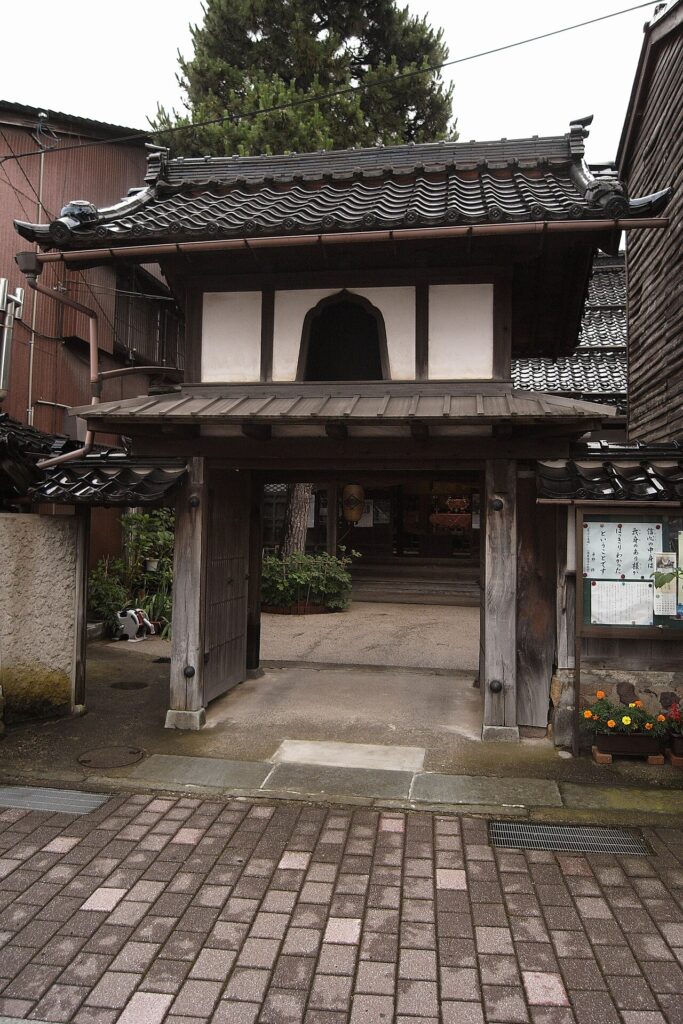
The situation looks different at a smaller guesthouse, particularly one converted from a private house or a traditional machiya where the owner still lives on the property. In these cases, a second doorbell is often not part of a shared building system at all. It is a separate line the host installed specifically for guests, wired apart from the household’s own intercom.
This arrangement lets a family maintain its private entrance and daily routine while running a guest room or two on the same premises. A traveler ringing the guest buzzer reaches the host through the intended channel, without needing to interact with the family’s private entryway or disturb whoever might be inside the main house. It’s a practical solution, but it also reflects a broader instinct in Japanese domestic life to keep a household’s private front door distinct from any space opened to outsiders, even paying ones.
That instinct connects to a wider cultural framework in Japan that draws a line between uchi, the inside world of family, close relationships, and one’s own home, and soto, the outside world of strangers, business, and public interaction. A guesthouse operator hasn’t abandoned that boundary just because they’ve opened a room to paying visitors; the second doorbell is a way of managing the boundary rather than erasing it. It shows up in how many Japanese homes are laid out too, with a small entry area, the genkan, acting as a buffer zone between the street and the living space proper. A second doorbell for guests is, in a sense, a modern extension of that same idea: a way of drawing a clear line before anyone actually crosses the threshold.
Reading the Labels and Symbols Before You Guess
A close look at the entrance usually offers more clues than it first appears to. Small stickers with a room number, a handwritten note in English, or a printed label near one of the buttons often point to which system is meant for visitors. Some hosts tape a simple arrow or a laminated card directly above the correct buzzer, anticipating that a guest unfamiliar with the layout might otherwise hesitate.
If both panels look identical and unlabeled, checking your booking confirmation or check-in message again is more reliable than testing buttons at random. Most hosts who use a two-doorbell setup are aware it can confuse first-time guests, and they tend to spell out the correct one clearly in their instructions precisely because they’ve had to explain it before.
What to Do When There’s No Instruction at All
Occasionally a listing or reservation simply doesn’t mention which button to press, especially with older buildings or hosts who assume the setup is self-explanatory. Rather than guessing, it helps to think about what kind of property you’re staying in, since apartments and family-run guesthouses call for slightly different instincts.
If You’re Renting an Apartment
In an apartment building, the safer default is usually the smaller, door-level intercom rather than the building’s main entry panel, since that intercom is the one most likely to be wired specifically to your rented unit. Ringing the wrong buzzer on the street-level panel risks contacting a stranger’s apartment instead of your host’s, which is a minor inconvenience but an easily avoidable one. If you were given an entry code or a lockbox for the front door, that’s usually a sign the building’s main panel doesn’t concern you at all, and the intercom beside the unit door is there mainly for couriers or unexpected visitors after you’ve already checked in.
If You’re Staying at a Family-Run Guesthouse
At a smaller guesthouse, it’s reasonable to wait a moment after arriving rather than pressing every option in sequence. Try the button that looks newer, is labeled in English, or sits slightly apart from the main entrance, since these are common signs of a line installed specifically for guests. A short text or call to the host, if contact details were provided, resolves the ambiguity faster than guessing, and it avoids the discomfort of accidentally summoning someone who wasn’t expecting a visitor at all. Ringing both buttons in quick succession rarely speeds things up and can come across as impatient in a culture that generally values waiting a beat before escalating.
Why Japan Draws This Line Between Public and Private Space
The two-doorbell arrangement, whether in an apartment tower or a converted family home, points to something larger about how space is organized in Japan. Public and private aren’t just separated by walls; they’re separated by small, deliberate systems that manage exactly who is allowed to interrupt whom, and how. A building-wide intercom protects the anonymity of dozens of residents at once. A separate guest line protects a single family’s routine while still letting them welcome visitors on their own terms.
Neither setup is about secrecy or distrust of guests. It’s closer to a quiet form of courtesy, one that assumes strangers and residents alike benefit from knowing exactly which door, and which button, is meant for them. Travelers who notice this distinction tend to move through Japanese neighborhoods a little more comfortably afterward, less likely to linger uncertainly at an entrance or press a button that isn’t theirs to press.
Once you’ve spotted the pattern in one building, it becomes easy to recognize elsewhere: two panels rarely mean redundancy in Japan. They almost always mean two separate worlds, however small, meeting at the same front door.